Bitly vs itlink.to is a useful comparison when you need more than a simple short link. Many marketers, creators, app teams, and small businesses do not only want a shorter URL. They want to send each visitor to the right place, understand where clicks come from, and improve campaigns after people tap the link. Bitly is a well-known link management platform with short links, QR codes, landing pages, and analytics. itlink.to is designed around practical smart links, one-route app store routing, hub links, QR usage, and click analytics in a clean workflow. The better choice depends on whether you mainly need general link management or a smarter click journey that reduces friction for your audience.
Start With the Click Journey, Not the Short Link
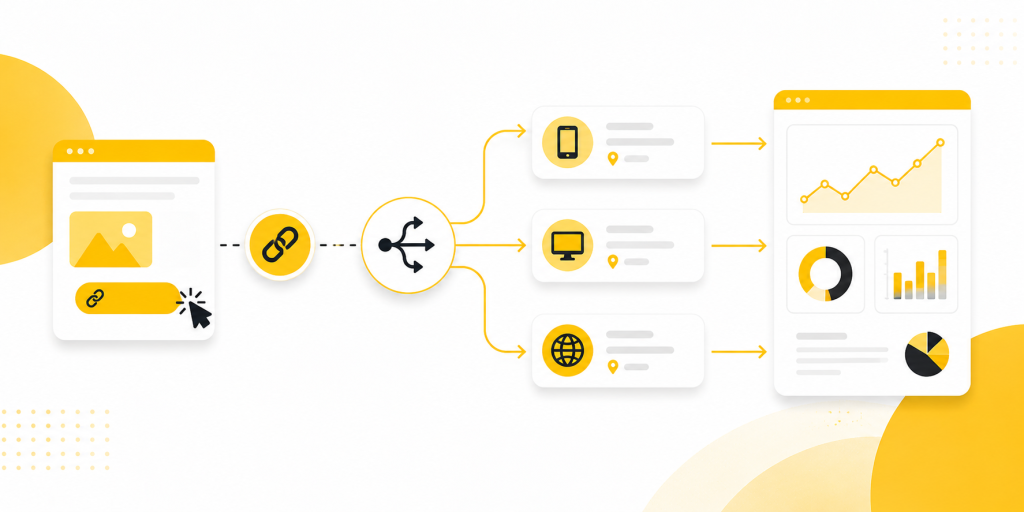
The biggest mistake when comparing link tools is judging them only by how short the URL looks. A short link is useful, but it is only the first step. The real question is what happens after the click. A user may be on iPhone, Android, desktop, Instagram, TikTok, email, a QR code, or an offline flyer. Each situation can require a different destination.
For example, an app campaign should not send every visitor to the same generic page. iPhone users may need the App Store, Android users may need Google Play, and desktop users may need a website or landing page. If the link cannot route people properly, you may lose clicks even when the campaign itself performs well.
This is where smart routing matters. A smarter link experience helps the visitor reach the most relevant destination with fewer steps. That can improve conversion, reduce confusion, and make campaign reporting easier.
Where Bitly Works Best for Established Link Management
Bitly is strong when a team needs a mature, widely recognized link management platform. It offers short URLs, QR codes, landing pages, branded links, mobile links, UTM campaign support, and analytics. For larger teams, Bitly can be useful because it brings multiple connection tools into one platform.
Bitly also works well for businesses that already have a structured marketing operation. If your team manages many campaigns, uses branded domains, tracks QR codes, and wants a familiar enterprise-style platform, Bitly may feel comfortable. It is especially useful when link shortening is part of a broader brand and campaign management process.
However, some users may find Bitly more than they need. If the main goal is to create smart app links, simple QR campaigns, clean bio links, and easy click tracking, a lighter tool may be easier to manage. The best choice depends on how complex your workflow really is.
Where itlink.to Fits Better for Smart Routing
itlink.to fits best when the main problem is routing people to the right destination quickly. Instead of thinking only about shortening a link, the workflow focuses on what the link should do. That can include sending users to different app stores, collecting multiple links on a hub page, or tracking clicks from campaigns.
For app marketers, this is especially useful. One campaign link can support different user paths instead of forcing everyone through the same landing page. A creator can use one hub link for social profiles. A business can use QR codes for offline promotions while still tracking engagement.
The value is simplicity. You do not need a complex setup just to make links smarter. If your goal is to reduce friction after the click, itlink.to can be a more direct fit.
Bitly vs itlink.to for Smart Routing
Bitly vs itlink.to becomes more interesting when smart routing is the main requirement. Bitly has mobile link features and broader campaign tools, but many users know it first as a short link and QR code platform. It can support advanced use cases, but those features may depend on the plan, setup, and workflow.
itlink.to is more focused on practical smart routing from the start. For example, one route can help users land on the right app store or destination based on context. This is useful when your campaign includes mobile users from different devices, paid ads, social posts, QR codes, or influencer promotions.
The real difference is not only feature count. It is how fast you can set up the right journey. If your team wants a lightweight way to create a smarter destination path, itlink.to may feel clearer. If your team needs a larger link management suite with many enterprise-style controls, Bitly may be more suitable.
What Good Link Analytics Should Actually Show
Analytics should help you make a decision, not just show a large click number. A link with many clicks can still perform poorly if the wrong audience is clicking, the destination is confusing, or the traffic source is low quality.
Useful link analytics should help answer questions like:
- Which channel is driving real interest?
- Are clicks coming from QR codes, social media, email, or ads?
- Which devices are people using?
- Are users reaching the correct destination?
- Which campaign should receive more budget?
- Which link should be updated or replaced?
This matters because marketing teams often make decisions too late. They publish a link, wait for results, and only later realize that traffic was going to the wrong place. Better analytics help you adjust faster.
Common Mistakes When Choosing a Link Tool
Many teams choose a link tool based on name recognition or price alone. That can lead to a setup that looks fine at first but becomes frustrating when campaigns grow. The better approach is to match the tool to the campaign journey.
Common mistakes include:
- Choosing a tool only because the URL is short.
- Ignoring device-based routing for app campaigns.
- Using one landing page for every visitor.
- Forgetting to track QR code scans separately.
- Not using UTM parameters when running paid campaigns.
- Sending Instagram traffic to a generic homepage.
- Looking only at total clicks instead of source and device data.
- Paying for advanced features the team does not actually use.
These mistakes are common because links feel simple. But links are often the bridge between attention and action. If that bridge is weak, the campaign loses value.
Practical Example: App Campaign Routing
Imagine a startup promoting a new travel app. The team shares one link across Instagram, TikTok, email, QR flyers, and creator posts. If that link sends everyone to the homepage, users must find the correct app store button by themselves. Some will leave.
A smarter setup would route iPhone users to the App Store, Android users to Google Play, and desktop users to a clean landing page. The team could then review click analytics to see which channel created the most interest.
This is where a smart routing tool can directly improve the campaign. The goal is not only to count clicks. The goal is to remove unnecessary steps after the click. A smoother journey can help more users complete the intended action.
Practical Example: QR Codes and Offline Campaigns

QR codes are useful for restaurants, events, packaging, flyers, business cards, and local promotions. But a QR code without analytics is hard to measure. You may know that people saw the flyer, but you do not know whether they scanned it or what happened after.
Bitly provides QR code creation and scan tracking inside its platform. That can be useful for teams already using Bitly for link and campaign management. itlink.to can also support QR-driven campaigns by connecting scans to smart destinations and analytics.
For small businesses, the important point is not which tool has the most complex dashboard. The important point is whether you can understand campaign performance clearly. If a QR code is placed in a cafe, on a poster, or inside a product package, you should know whether it is actually getting attention.
Which Tool Should You Choose?
Choose Bitly if you want a mature link management platform with broad features, branded links, QR codes, analytics, landing pages, and team-oriented workflows. It is a strong option for companies that need a recognized platform and are comfortable managing campaigns through a larger system.
Choose itlink.to if your priority is a simpler smart link workflow for routing, app destinations, hub links, QR use cases, and clear click analytics. It is a good fit when you want the link to do more than look short, especially for mobile-first campaigns and creators who need one clean destination.
The best choice depends on your real use case. If your team mainly needs general link management, Bitly may be enough. If your campaign depends on sending each visitor to the right place with less friction, itlink.to may be the better fit.
In the end, Bitly vs itlink.to is not only about link shortening. It is about the quality of the journey after the click. If you want one clean way to create smarter links, route users properly, and understand every click, try itlink.to and build a link experience that performs better from the first tap.
References
- Bitly Knowledge Base — Real-Time Link Management and Campaign Analytics Official overview of dashboard tracking features, detailing how to isolate performance metrics by location, device type, and referral source.
- Bitly Blog — Branded Short Links vs. Generic URLs An in-depth breakdown of how custom domain back-halves improve trust metrics, protect brand equity, and directly increase click-through rates across digital channels.
- Bitly Product Guide — Dynamic QR Codes and Physical-to-Digital Routing Comprehensive technical documentation outlining how to generate, style, and update destination URLs within physical marketing assets without changing the printed code.