Blog

  • Custom Short Links vs Generic Short Links

    Custom Short Links vs Generic Short Links

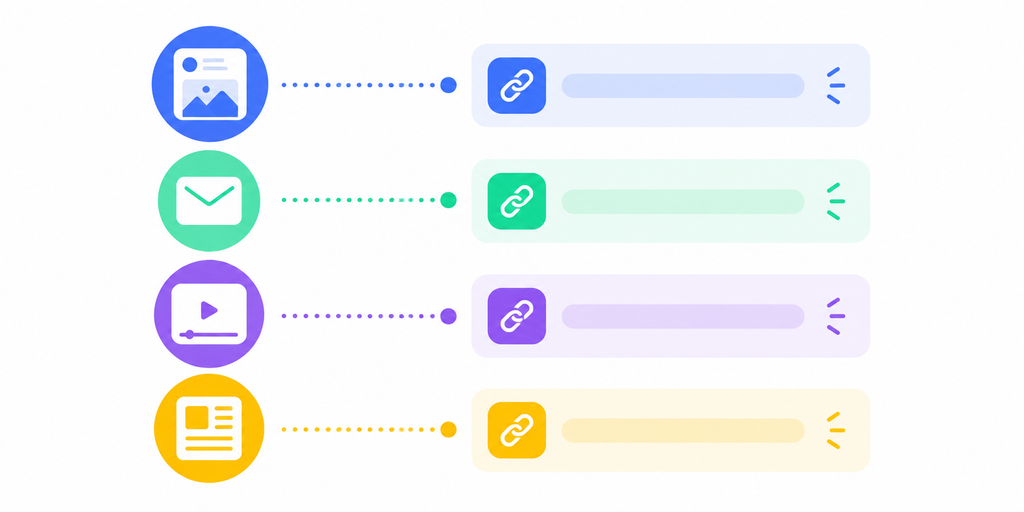
    Custom short links vs generic short links is not just a design choice. It affects how people see your brand, whether they trust the link, how easy the URL is to remember, and how well your team can manage campaigns.

    A generic short link can make a long URL shorter. That is useful. But a custom short link can do more than reduce length. It can make the link look cleaner, more intentional, and more connected to your brand or campaign.

    This matters because links appear everywhere: Instagram bios, email campaigns, QR codes, paid ads, product packaging, YouTube descriptions, podcast notes, event banners, pitch decks, and sales messages. Before someone clicks, they see the link. That small moment can either build confidence or create doubt.

    The Link Is Part of the Campaign, Not Just a Technical Detail

    Many teams treat links as the final step before publishing. They finish the landing page, write the caption, create the email, design the flyer, and then quickly shorten the URL at the end. That creates weak links that feel disconnected from the campaign. A campaign link should be planned earlier because it affects trust, tracking, and user experience. If the link looks random, users may hesitate. If the slug is unclear, people may not understand where they are going. If every channel uses the same generic link, reporting becomes messy. A strong campaign link supports the message before the click and helps the team learn after the click. That is why custom short links are often better for serious marketing campaigns.

    Generic Short Links Solve Speed, but Not Confidence

    Generic short links are useful when speed matters. You paste a long URL, generate a shorter one, and share it quickly. For casual use, internal messages, temporary documents, test pages, or low-risk sharing, that may be enough. The problem starts when generic links are used in public-facing campaigns. A random-looking link can feel disposable or suspicious, especially when it asks someone to buy, book, download, register, subscribe, or enter personal information. The link may work perfectly, but it does not add confidence. It only hides the long URL. For a quick internal Slack message, that is fine. For a product launch, app campaign, QR code, or sales funnel, it may not be enough.

    Custom Short Links Make the Click Feel Safer

    A custom short link gives users a clearer signal before they click. The domain can match your brand, and the slug can match the campaign. Instead of seeing a random string, users see something that looks intentional. For example, a link like brand.link/demo feels clearer than short.ly/8xPq2. A link like brand.link/app feels better for an app campaign than a long app store URL or a random shortener link. This does not mean users analyze every URL deeply. Most people do not. But they still notice whether a link feels familiar, readable, and trustworthy. A custom short link removes one small reason not to click.

    The Slug Is Where Clarity Wins or Fails

    The slug is the part after the slash. It may look small, but it carries a lot of meaning. A good slug tells users what to expect. A bad slug creates confusion. For example, brand.link/pricing is clear. brand.link/q3-v2-final is not. brand.link/menu is easy to type from a table card. brand.link/3hfK91 is not. Strong slugs are short, readable, and written for humans. They should match the campaign promise, avoid internal jargon, and avoid random characters when the link is public. If the link will appear in a caption, QR code backup, video, podcast, flyer, or presentation, the slug should be easy to read and say out loud.

    Branding Matters More When the Link Leaves Your Website

    On your own website, users already know where they are. But campaign links often appear outside your website. They show up on social platforms, in emails, in creator posts, in QR codes, and in printed materials. In those places, the link becomes part of your brand presentation. A generic link gives the platform or shortener brand more visibility than your own. A custom short link keeps your brand closer to the click. This is especially useful for creators, startups, agencies, SaaS products, restaurants, event organizers, app teams, and ecommerce brands. When people see a link that matches the brand or campaign, the journey feels more consistent.

    When Generic Short Links Are Still the Right Choice

    Generic short links are not bad. They are just not always the right tool for public marketing. They are useful when the link is temporary, private, or low value. For example, you might use a generic short link when sending a quick document to a teammate, testing a landing page, sharing a draft internally, or sending a one-time support link. In these cases, speed is more important than branding. The audience already trusts the sender, and the link does not need to carry a campaign message. The mistake is using the same generic approach for high-intent moments where users are deciding whether to click, buy, register, download, or scan.

    Public Campaigns Deserve Custom Links

    A public campaign has a different standard. If the link appears in an ad, influencer post, Instagram bio, product launch, email campaign, QR code, YouTube description, event poster, or printed flyer, the link should look clean and intentional. These are moments where the audience may not personally know you yet. The link needs to support trust quickly. A custom short link also helps when the campaign is shared beyond the original channel. Someone may copy it into a group chat. Someone may say it during a podcast. Someone may type it from a slide. A readable custom short link travels better than a random generic one.

    QR Codes Need Custom Short Links More Than Most Teams Think

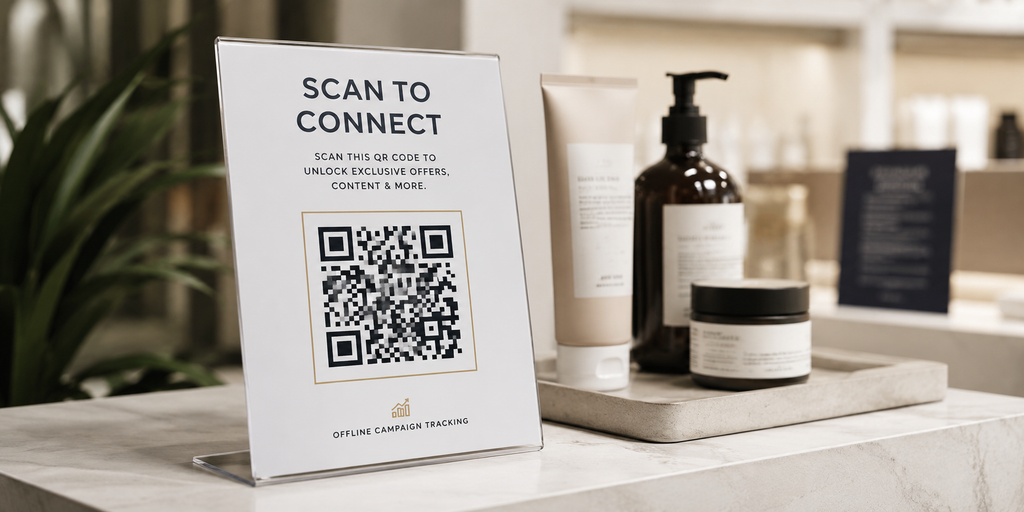
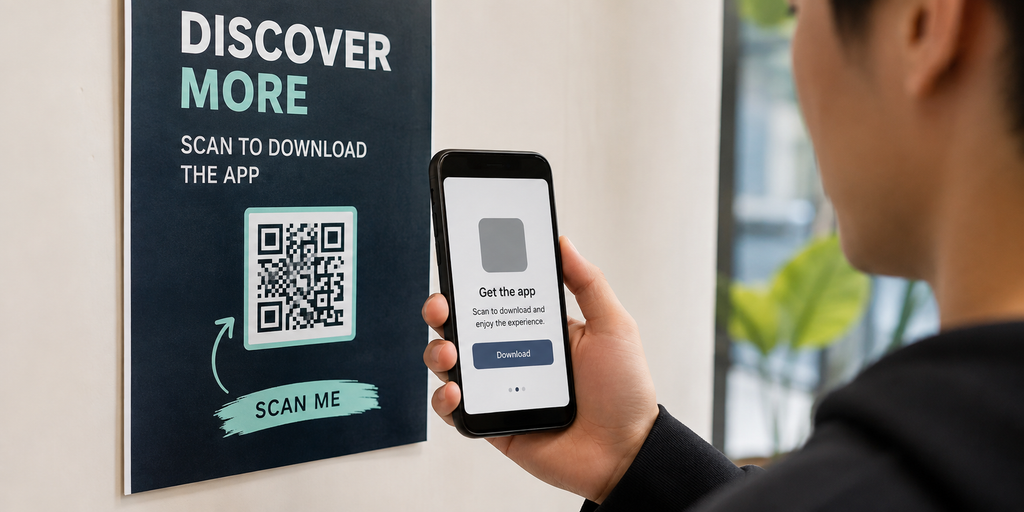
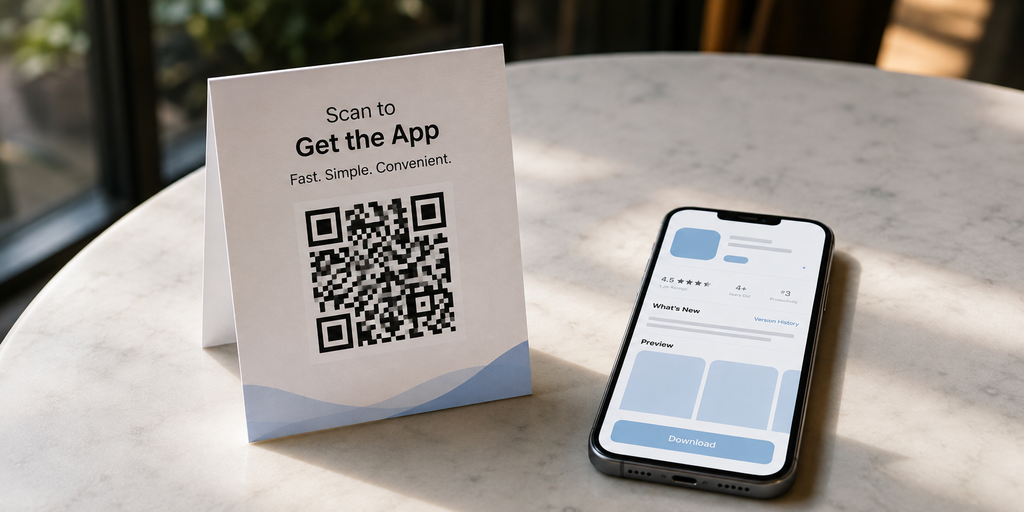
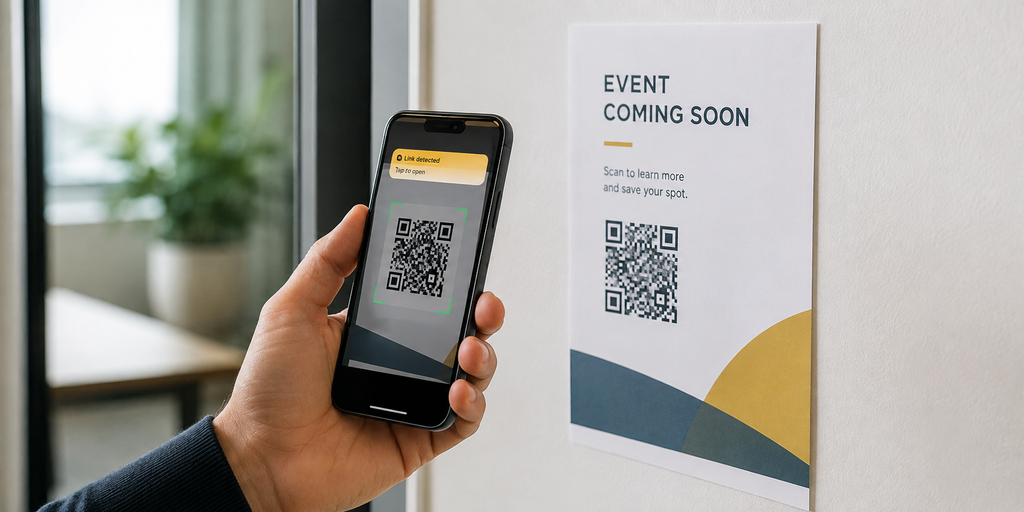
    QR codes are scanned, but the short link behind them still matters. First, the link should be editable whenever possible because printed QR codes are difficult to change after launch. If the destination changes, you need to update the link behind the QR code instead of reprinting everything. Second, many good QR campaigns show a short URL under the QR code as a backup. If scanning fails, users can type the link manually. A custom short link like brand.link/menu or brand.link/event is much easier to type than a random generic URL. For restaurants, events, packaging, real estate signs, flyers, and retail displays, custom links make QR campaigns safer and cleaner.

    Campaign Tracking Becomes Easier With a Naming System

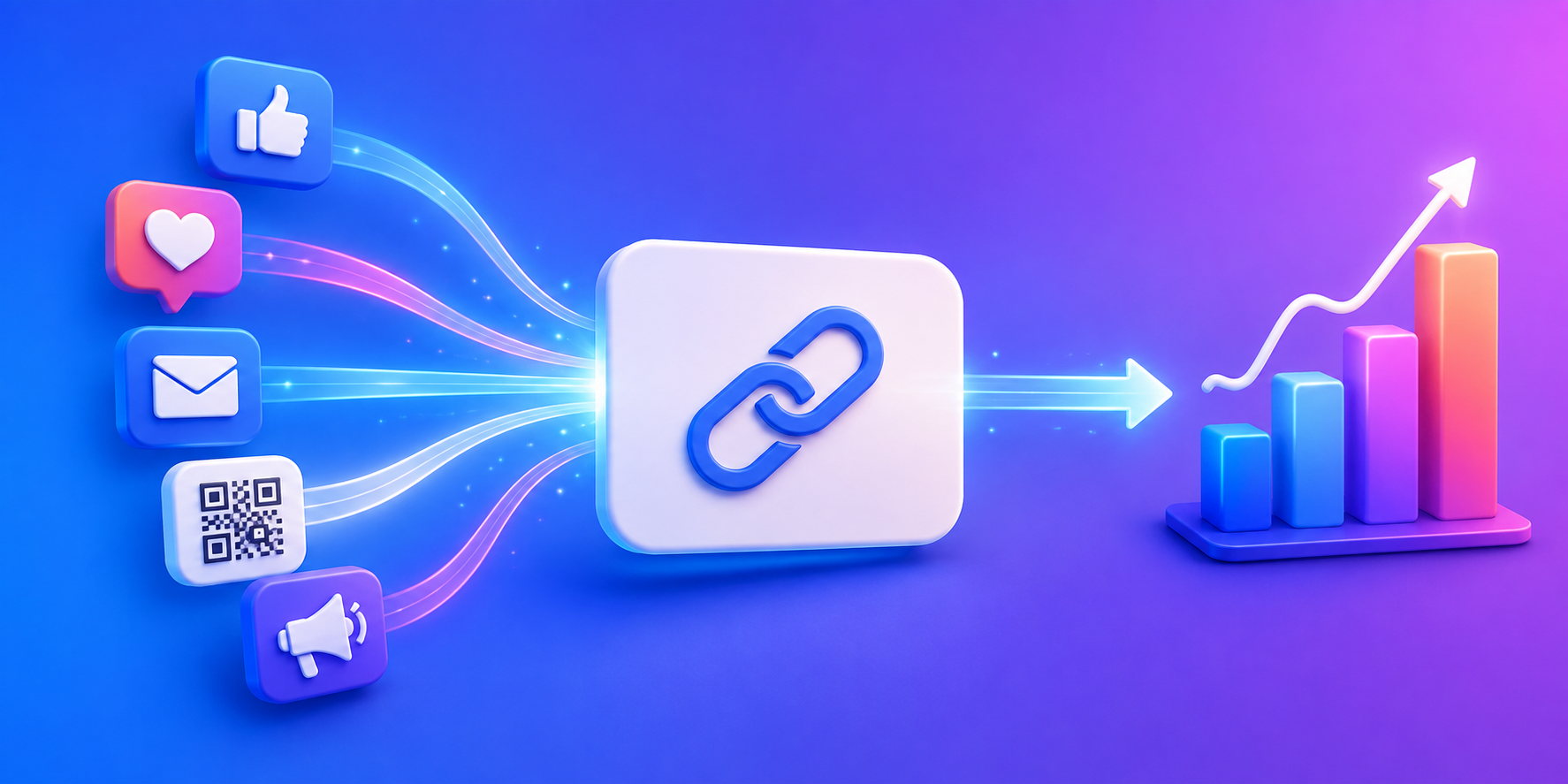
    Custom short links are not only better for users. They are also better for teams. When links are named clearly, reporting becomes easier. Instead of looking at a dashboard full of random links, your team can identify each link by campaign and channel. For example, brand.link/launch-email, brand.link/launch-qr, and brand.link/launch-instagram are easy to understand. You can see which link belongs to which placement without opening every record. This matters when campaigns grow. A naming system helps teams avoid duplicate links, old links, unclear tracking, and messy reports. Good link naming turns short links into organized campaign assets.

    Do Not Put Your Whole Tracking System in the Public URL

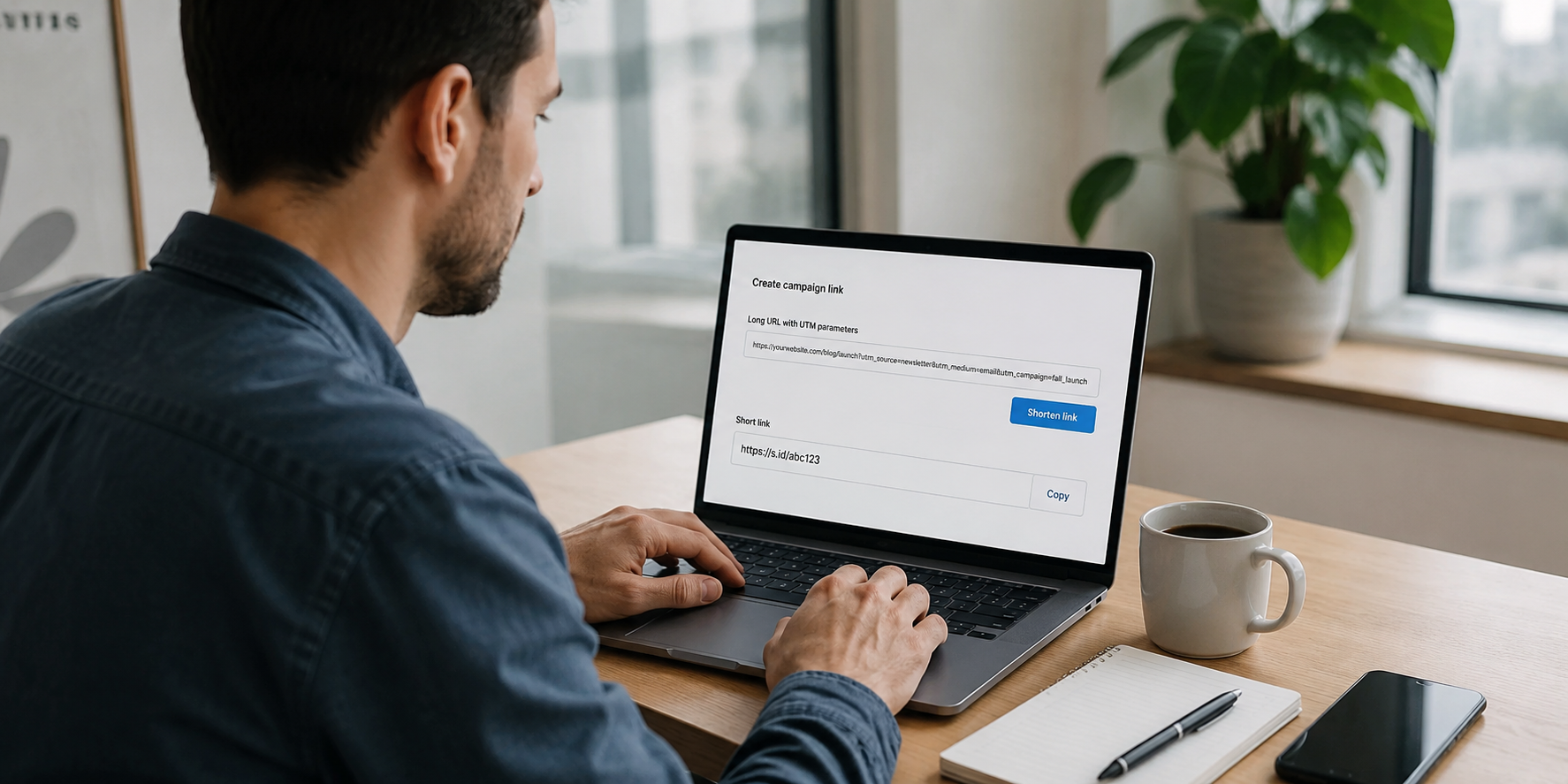
    A common mistake is putting too much information into the visible slug. A team may create a link like brand.link/summer-sale-instagram-story-paid-v3. That may help internally, but it looks messy publicly. The better approach is to keep the visible slug clean and use your dashboard or UTM parameters for deeper tracking. For example, the public link could be brand.link/summer-sale, while the internal campaign name identifies the channel and placement. The visible link should be easy for users. The hidden tracking should be useful for the team. Do not make the customer read your analytics structure.

    Custom Links Help Teams Avoid Link Sprawl

    Link sprawl happens when everyone creates links differently. One person uses a generic shortener. Another person uses raw URLs. Another person adds UTM parameters manually. Another creates a QR code that points directly to a final page. After a few months, nobody knows which links are current, which links are tracked, or which links should be replaced. Custom short links reduce this problem when they are part of a simple system. The team can agree on naming rules, campaign structure, and which links should be evergreen. This makes links easier to manage over time, especially for startups, agencies, creators, and small marketing teams.

    Evergreen Links and Campaign Links Should Be Named Differently

    Not every custom short link has the same purpose. Some links are evergreen. They point to destinations that stay useful for a long time, such as brand.link/pricing, brand.link/demo, brand.link/newsletter, brand.link/app, or brand.link/contact. Other links are campaign-specific, such as brand.link/summer-sale, brand.link/webinar-july, or brand.link/product-launch. Mixing these can create confusion. If a temporary campaign uses a name that sounds evergreen, people may reuse it later by mistake. If an evergreen link includes a date, it may look outdated quickly. Naming links based on their lifespan helps your team manage them more cleanly.

    Trust Is Especially Important for App Downloads and Payments

    Some clicks require more trust than others. A user may casually click a blog post link, but they become more careful when the link asks them to download an app, enter payment details, submit an email, book a call, or scan a QR code from a public place. In these cases, a custom short link can reduce hesitation. For app campaigns, a clean link can route users to the right store while still looking branded. For payment or booking pages, a custom link makes the path feel more official. The link does not replace good security or a trustworthy landing page, but it supports the user’s confidence before they arrive.

    Custom Short Links Work Better in Offline and Audio Channels

    Not every campaign link is clicked. Sometimes it is spoken, printed, displayed, or remembered. This is where custom short links have a clear advantage. In a podcast, brand.link/start is easier to say than a random short URL. On a slide, brand.link/demo is easier to remember than a long landing page URL. On a flyer, brand.link/join is easier to type than a generic code. In offline and audio channels, a link needs to be short, readable, and memorable. Generic links may be technically short, but they are often not human-friendly.

    The Comparison That Actually Matters

    Here is the practical difference between custom short links and generic short links:

    • Generic short links are best for speed.
    • Custom short links are best for trust.
    • Generic short links are fine for private sharing.
    • Custom short links are better for public campaigns.
    • Generic short links often use random slugs.
    • Custom short links can use readable campaign names.
    • Generic short links may feel disposable.
    • Custom short links feel more intentional.
    • Generic short links solve length.
    • Custom short links solve length, clarity, and branding.
    • Generic short links are useful for quick tasks.
    • Custom short links are better for marketing systems.

    This is not about customizing every link. It is about customizing the links that matter.

    Choose Based on the Risk of Confusion

    A simple way to decide is to ask: what happens if the user feels unsure? If the link is internal, temporary, or low stakes, a generic short link may be fine. If the link is public, customer-facing, printed, paid, or connected to revenue, a custom short link is safer. Confusion can cost clicks. A random URL may not destroy a campaign, but it can create unnecessary doubt. A clean custom link makes the next step easier to understand. The higher the value of the click, the more important link clarity becomes.

    Final Verdict: Custom Short Links vs Generic Short Links

    Custom short links vs generic short links comes down to purpose. Generic short links are useful when you need a quick, temporary, low-risk URL. Custom short links are better when the link represents your brand, campaign, product, app, event, offer, or content. For serious marketing, custom short links usually create a better experience because they look more trustworthy, are easier to remember, support cleaner tracking, and work better across QR codes, social posts, email, and offline channels. A short link should not only be short. It should be clear, clickable, and easy to manage. To create clean custom short links for campaigns, apps, QR codes, and creator pages, you can use itlink.to here: https://itlink.to/#short-link

    References

  • Free Custom URL Shortener for Marketing Campaigns

    Free Custom URL Shortener for Marketing Campaigns

    A free custom URL shortener can make marketing campaigns easier to manage, easier to track, and easier to remember. While many people think URL shorteners are mainly for reducing character count, marketers often use them for a different reason: control. A custom short link allows you to create cleaner URLs, organize campaigns, and understand where traffic comes from without forcing users to click complicated links full of tracking parameters.

    Whether you’re running social media promotions, email campaigns, influencer partnerships, QR code campaigns, or product launches, custom short links can make your marketing look more professional while providing useful analytics behind the scenes.

    Why Generic URLs Make Campaigns Harder to Manage

    Marketing campaigns often rely on URLs that were never designed to be shared publicly. Product pages, landing pages, signup forms, and ecommerce links frequently contain long tracking strings, referral IDs, and campaign parameters. While these details are useful for analytics platforms, they create URLs that are difficult to read and difficult to remember.

    A custom short link solves this by replacing the complicated URL with something simple and recognizable. Instead of sharing a long campaign URL, you can create a link that clearly communicates its purpose.

    Long URLCustom Short Link
    website.com/pricing?utm_source=instagram&utm_campaign=summer_launchitlink.to/pricing
    website.com/event-registration?id=48382itlink.to/event
    website.com/download-app?campaign=tiktokitlink.to/app

    The destination stays the same, but the experience improves.

    What Makes a URL Shortener “Custom”?

    A custom URL shortener allows you to choose the alias at the end of the link rather than accepting a random string of characters. Instead of a link like:

    itlink.to/a8j3k2

    You can create:

    itlink.to/summer-sale

    or

    itlink.to/app-launch

    This makes the link easier to understand before someone clicks it. It also creates consistency across campaigns and helps people remember the URL when they see it again later.

    Marketing Campaigns Benefit From Better Naming

    Custom aliases are not just about branding. They also make campaign management easier.

    Imagine running campaigns across Instagram, TikTok, LinkedIn, YouTube, newsletters, and influencer partnerships. If every link uses random characters, reporting quickly becomes confusing. If every link uses meaningful names, your analytics become easier to understand.

    CampaignExample Alias
    Instagram Bioinstagram
    TikTok Profiletiktok
    Product Launchlaunch
    Black Friday Saleblack-friday
    Webinar Registrationwebinar
    Influencer Campaigncreator-jane

    Good naming conventions save time when reviewing campaign results later.

    Why Custom Short Links Work Better on Social Media

    Social media users make decisions quickly. A clear link creates confidence. A random link creates uncertainty.

    When someone sees a custom URL such as:

    itlink.to/free-guide

    they immediately understand what to expect.

    When they see:

    itlink.to/a8j3k2

    they learn nothing.

    This may seem minor, but social media is filled with small moments that influence whether people click or continue scrolling.

    Create Different Links for Different Traffic Sources

    One of the biggest advantages of a custom URL shortener is campaign separation.

    Instead of using one link everywhere, marketers can create unique links for each traffic source while sending visitors to the same destination.

    Traffic SourceCustom Link
    Instagramitlink.to/instagram
    TikTokitlink.to/tiktok
    YouTubeitlink.to/youtube
    Newsletteritlink.to/email
    QR Codeitlink.to/event

    This approach creates cleaner reporting because you can immediately see where clicks originate.

    Custom Links Make QR Codes More Useful

    QR codes are often used in offline marketing campaigns. They appear on packaging, flyers, posters, event booths, menus, business cards, and product displays.

    A custom short URL behind the QR code makes the destination easier to recognize and easier to update later if needed. Instead of printing a QR code that points directly to a temporary page, marketers can use a short link and change the destination whenever necessary.

    This flexibility becomes valuable when campaigns evolve after launch.

    Why Click Tracking Matters More Than Ever

    Creating a shorter URL is useful. Understanding what happens after someone clicks is even more valuable.

    A good custom URL shortener should provide visibility into campaign performance.

    Useful metrics include:

    • Total clicks
    • Unique clicks
    • Countries
    • Devices
    • Referrers
    • Campaign-specific traffic

    These insights help marketers identify which channels deserve more attention and which campaigns need improvement.

    Free Tools Lower the Barrier to Better Marketing

    Many small businesses, startups, creators, and ecommerce brands delay link tracking because they assume it requires expensive software.

    In reality, a free custom URL shortener often provides enough visibility to improve campaigns significantly. A few well-organized links can reveal more about campaign performance than many marketers expect.

    This makes custom short links one of the simplest upgrades available to almost any marketing workflow.

    How itlink.to Helps Marketers Create Custom Links

    itlink.to allows users to create free custom short links using aliases that match their campaigns. Instead of sharing long URLs, marketers can create clean, memorable links that are easier to manage and easier to track.

    Because each campaign can use its own alias, businesses can separate traffic sources, compare performance, and organize reporting more effectively. Users can also access click analytics, making it easier to understand which campaigns generate interest.

    For marketers who need more than short links, itlink.to also offers HubLink for link in bio pages and OneRoute for smart app download links.

    Build Campaigns Around Links People Can Remember

    The best marketing links are not necessarily the shortest. They are the clearest.

    A free custom URL shortener helps transform complicated URLs into simple, memorable links that support both branding and analytics. Instead of sharing random strings of characters, you can create URLs that reflect the purpose of the campaign while making reporting easier.

    Whether you’re running social campaigns, email promotions, influencer partnerships, QR code campaigns, or product launches, custom short links can help bring more organization to your marketing efforts.

    References

  • What is itlink.to? URL Shortener, Smart Links, and Link in Bio Explained

    What is itlink.to? URL Shortener, Smart Links, and Link in Bio Explained

    If you’ve ever needed a URL shortener, a smart app link, or a link in bio page, you’ve probably discovered that most tools only solve one of those problems. One platform shortens URLs, another handles app downloads, and another creates link in bio pages. itlink.to was built to bring those common use cases together in one place.

    Whether you’re a creator sharing content, a business running campaigns, or an app developer trying to increase downloads, itlink.to gives you tools to create short links, smart links, and bio pages from a single account. At the moment, all features are available for free, making it easy to get started without worrying about usage limits.

    Why Most People End Up Using Multiple Link Tools

    Many people start with a simple need. Maybe they want a shorter URL for social media. Later they need a bio page for Instagram or TikTok. Then they launch a mobile app and need one link that sends iPhone users to the App Store and Android users to Google Play. Instead of managing everything in one place, they often end up juggling several services. This creates unnecessary complexity and makes campaign tracking harder. itlink.to was designed to simplify that process by combining the most common link management tools into a single platform.

    What Can You Do With itlink.to?

    The platform currently focuses on three core products: Short Links, OneRoute Smart Links, and HubLink bio pages. Each tool solves a different problem, but they can also work together.

    ProductPrimary Use Case
    Short LinksShorten URLs and track clicks
    OneRouteSmart app download links
    HubLinkLink in bio and landing pages

    Most users start with one feature and later discover that the others fit naturally into their marketing workflow.

    How Short Links Work

    Short Links turn long URLs into clean, shareable links. Instead of sending someone a URL filled with tracking parameters, referral codes, or campaign tags, you can create a simple link that’s easier to read and share. Every short link includes analytics, allowing you to track clicks, unique visitors, countries, devices, referrers, and campaign performance.

    For example, instead of sharing a long ecommerce URL with multiple parameters, you can create a short branded link that looks cleaner in social media posts, WhatsApp messages, emails, QR codes, and marketing campaigns.

    How OneRoute Smart Links Work

    OneRoute was created for app marketers. The problem it solves is simple: iPhone users need the App Store, Android users need Google Play, and desktop visitors often need a website or landing page. Sharing separate store links creates friction because users must choose the correct destination themselves.

    OneRoute uses a single smart link. When someone clicks it, the platform automatically routes them to the correct destination based on their device.

    Visitor DeviceDestination
    iPhoneApple App Store
    AndroidGoogle Play Store
    DesktopFallback website
    Other DevicesCustom fallback page

    This makes app promotion easier across social media, influencer campaigns, newsletters, QR codes, and paid advertising.

    How HubLink Works

    HubLink is itlink.to’s link in bio solution. Instead of choosing a single destination, you can create a page containing multiple links and share one URL everywhere. This is especially useful for creators, businesses, podcasts, ecommerce brands, and startups that need to send visitors to several different places.

    You can add multiple links, choose your own page alias, customize your profile, and organize important destinations into a single page. Many users place their HubLink URL in Instagram, TikTok, YouTube, X, LinkedIn, and email signatures.

    Which Product Should You Use?

    The answer depends on your goal. If you simply need a shorter URL and click tracking, use Short Links. If you’re promoting a mobile app, use OneRoute. If you need one page containing multiple destinations, use HubLink.

    Your GoalRecommended Tool
    Share a clean URLShort Links
    Promote a mobile appOneRoute
    Create a link in bio pageHubLink
    Run influencer campaignsShort Links or OneRoute
    Manage multiple business linksHubLink

    Many users eventually use all three products together.

    Example: Mobile App Marketing

    Imagine you’re launching a new app. You create a OneRoute link for app downloads. Then you create separate OneRoute links for Instagram, TikTok, YouTube, and influencer campaigns so you can compare traffic sources. Finally, you create a HubLink page containing your app download button, website, support page, and social channels. This setup gives you cleaner marketing campaigns while keeping everything organized.

    Example: Creator or Influencer Setup

    A creator might use HubLink as their main profile URL. Inside that page, they can add links to YouTube videos, affiliate products, newsletters, sponsors, and online courses. For individual campaigns, they can create Short Links to track clicks separately. This makes it easier to understand which content and promotions generate the most engagement.

    Example: Small Business Setup

    A local business could create a HubLink page containing booking links, menus, locations, contact information, and special offers. They can then create Short Links for email campaigns, QR codes, WhatsApp promotions, and seasonal marketing. If they launch an app in the future, OneRoute can handle app downloads without changing the rest of their setup.

    What Analytics Are Available?

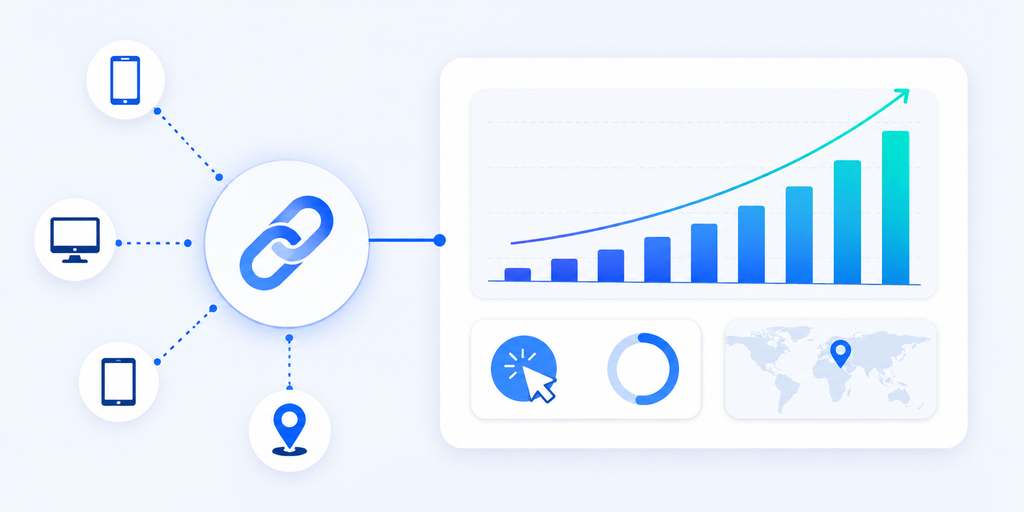
    Every link should tell a story. That’s why itlink.to includes analytics across its products. Users can currently track total clicks, unique clicks, devices, countries, referrers, and campaign activity. This helps marketers understand where visitors come from and which campaigns generate the most interest.

    Analytics Available
    Total Clicks
    Unique Clicks
    Devices
    Countries
    Referrers
    Campaign Performance

    Good analytics make it easier to improve future campaigns instead of relying on guesswork.

    Why Some Teams Use All Three Together

    The products are designed to complement each other. A business might use HubLink as its main profile page, OneRoute for app downloads, and Short Links for campaign tracking. This creates a flexible setup without requiring multiple accounts across different platforms. Because everything lives under one service, managing links becomes simpler as campaigns grow.

    Getting Started With itlink.to

    The easiest way to understand itlink.to is to use it. Create an account, choose the tool that matches your goal, and start building links. Whether you need a URL shortener, a smart app link, or a link in bio page, the platform is designed to help you get started quickly.

    At the time of writing, Short Links, OneRoute, HubLink, analytics, and custom aliases are available for free. That makes it a practical choice for creators, startups, marketers, app developers, and businesses that want professional link tools without upfront costs.

    Create your free account and start using Short Links, OneRoute, and HubLink today

    References

  • Smart Links vs Deep Links: Which One Do You Actually Need?

    Smart Links vs Deep Links: Which One Do You Actually Need?

    Smart links vs deep links is one of the most common questions in app marketing because both technologies influence what happens after a user clicks a link. However, they solve different problems.

    A smart link decides where a user should go. A deep link decides what a user should see.

    For example, a smart link may detect whether someone is using an iPhone, Android device, or desktop browser and send them to the correct destination automatically. A deep link may open a specific hotel listing, product page, booking screen, or user profile inside an app.

    Many teams assume they need deep links when they actually need smart links. Others build smart routing but never create deep links, forcing users to navigate through multiple screens after opening the app. Understanding the difference can improve app downloads, campaign performance, user experience, and conversion rates.

    Smart Links vs Deep Links: Quick Answer

    The easiest way to understand smart links vs deep links is to look at their primary purpose.

    FeatureSmart LinksDeep Links
    Route users by deviceYesNo
    Route users by countryYesNo
    Send users to App StoreYesNo
    Send users to Google PlayYesNo
    Open a specific app screenNoYes
    Useful for app downloadsExcellentLimited
    Useful for user retentionGoodExcellent
    Useful for QR code campaignsExcellentLimited
    Works across web and mobileYesDepends on implementation

    If your main goal is helping users reach the correct destination, smart links are usually the better choice.

    If your main goal is helping users reach specific content inside an app, deep links are usually the better choice.

    How Smart Links Work

    A smart link acts like a decision engine between the click and the destination.

    Instead of sending every visitor to the same URL, a smart link evaluates information such as device type, operating system, browser, location, language, or campaign source. Based on those signals, it sends the user to the most relevant destination.

    For example:

    • iPhone users go to the App Store
    • Android users go to Google Play
    • Desktop users go to a web landing page
    • Users from different countries see localized content
    • Existing customers go to one destination while new users go to another

    This is why smart links are widely used in app marketing, QR code campaigns, social media bios, email campaigns, influencer marketing, and offline advertising.

    Instead of creating multiple URLs, marketers can use one link that automatically handles routing.

    How Deep Links Work

    Deep links are designed to open a specific location inside an app.

    Rather than opening the app homepage, a deep link can open:

    • A product page
    • A booking confirmation
    • A travel itinerary
    • A specific hotel listing
    • A payment request
    • A user profile
    • A promotional offer

    For example, if a travel app sends an email promoting discounted flights to Tokyo, a deep link can open the Tokyo flight results screen directly inside the app.

    Without deep linking, users might land on the app home screen and search for the offer manually.

    This additional step often reduces conversion rates and increases abandonment.

    Universal Links, App Links, and Deferred Deep Linking

    One reason smart links vs deep links becomes confusing is because other technologies are involved.

    Apple Universal Links and Android App Links are technologies that allow web URLs to open apps directly when the app is installed.

    Deferred deep linking extends the experience further. If the app is not installed, the user first visits the App Store or Google Play. After installation, the user is taken to the intended content instead of the app homepage.

    For example:

    A user clicks a hotel promotion.

    Without deferred deep linking:

    1. User goes to App Store
    2. User installs app
    3. User opens homepage
    4. User searches again

    With deferred deep linking:

    1. User goes to App Store
    2. User installs app
    3. Hotel promotion opens automatically

    This creates a much smoother onboarding experience.

    When Smart Links Are Better

    Smart links are usually the best choice when your audience is unknown.

    Examples include:

    • Instagram bio links
    • TikTok profile links
    • QR codes
    • Podcast promotions
    • Creator campaigns
    • Offline advertising
    • Email newsletters
    • App install campaigns

    In these situations, you do not know which device or operating system the user is using.

    A smart link removes that uncertainty and routes users automatically.

    For many companies, improving routing creates a bigger performance improvement than implementing deep links.

    When Deep Links Are Better

    Deep links become more valuable after users already have the app installed.

    Common examples include:

    • Push notifications
    • Referral invitations
    • Account verification
    • Product recommendations
    • Cart recovery emails
    • Loyalty rewards
    • Booking reminders
    • Shared content

    In each case, the goal is not choosing the destination platform. The goal is opening the correct screen immediately.

    This reduces friction and helps users complete the intended action faster.

    Why Most Apps Need Both

    The highest-performing mobile apps rarely choose between smart links and deep links.

    They combine both.

    A smart link handles routing outside the app.

    A deep link handles navigation inside the app.

    Imagine a hotel booking campaign.

    A new user clicks the campaign:

    • Smart link sends them to the correct app store.
    • Deferred deep link opens the hotel offer after installation.

    An existing user clicks the same campaign:

    • Smart link detects the app environment.
    • Deep link opens the hotel offer immediately.

    The user experiences one seamless journey even though multiple technologies are working behind the scenes.

    Common Mistakes That Hurt Campaign Performance

    Several mistakes appear repeatedly in app marketing campaigns.

    • Sending all users to the homepage instead of relevant content
    • Using separate links for iOS and Android
    • Ignoring desktop visitors
    • Creating QR codes with non-editable destinations
    • Building deep links without app-install fallbacks
    • Using multiple link tools that fragment analytics

    These issues create unnecessary friction and make campaign performance harder to measure.

    A cleaner link structure often improves results before any additional advertising budget is spent.

    Which One Should You Use?

    The answer depends on the stage of the user journey.

    Choose smart links when:

    • Your goal is app downloads
    • Users may come from different devices
    • You need QR code campaigns
    • You want one shareable campaign URL
    • You need routing flexibility

    Choose deep links when:

    • Users already have the app
    • You want to open specific screens
    • You are focused on retention
    • You send push notifications
    • You share content inside the app

    For most businesses, smart links solve more immediate problems because acquisition campaigns usually involve multiple devices and destinations.

    Once acquisition is working smoothly, deep links help optimize the experience after users enter the app.

    Final Verdict: Smart Links vs Deep Links

    Smart links vs deep links is not really a choice between two competing technologies.

    They solve different parts of the same user journey.

    Smart links determine where users should go based on device, platform, and context. Deep links determine what users should see once they arrive.

    If your primary goal is app downloads, QR code campaigns, social media marketing, or app store routing, start with smart links.

    If your primary goal is improving user engagement, retention, and in-app navigation, implement deep links.

    Most successful apps eventually use both.

    If you need a practical way to manage smart links, app routing, short links, QR codes, and campaign analytics from one place, itlink.to provides a simpler starting point without requiring a complex deep-linking setup from day one.

    References

  • Free Short Link Generator for Social Media

    Free Short Link Generator for Social Media

    A free short link generator for social media can solve a problem most creators, businesses, and marketers run into every day: ugly links. Social platforms are designed for fast scrolling. When someone sees a long URL filled with tracking parameters, random characters, and campaign codes, it immediately feels harder to trust and harder to click.

    That may seem like a small detail, but social media is full of small decisions. A cleaner link can make your content look more professional, improve sharing, and help you understand which posts are actually generating traffic.

    Why Long Links Perform Poorly on Social Media

    Most marketing links become long because they contain tracking information. UTM parameters, affiliate codes, referral IDs, campaign tags, and analytics settings all add length to a URL. While useful for reporting, they create links that look cluttered in posts, bios, comments, messages, and profiles.

    Compare these examples:

    Link TypeExample
    Long URLwebsite.com/product?utm_source=instagram&utm_campaign=summer-sale&id=28473
    Short URLyour.link/summer-sale

    The destination is the same, but the second version looks cleaner and easier to share.

    Social Media Users Decide Quickly

    Most people do not carefully evaluate every link they see online. They make quick judgments. A confusing URL can create hesitation before the click even happens.

    This is especially important on platforms like Instagram, TikTok, X, Threads, Facebook, LinkedIn, and YouTube. Users are moving quickly between content. Every unnecessary distraction increases the chance that they keep scrolling instead of visiting your page.

    A short link removes visual clutter and makes the call to action feel more direct.

    Different Platforms Need Different Links

    One mistake many marketers make is using the same link everywhere. If Instagram, TikTok, YouTube, Facebook, and LinkedIn all use the same URL, campaign reporting becomes difficult.

    Creating separate short links for each platform makes it easier to understand where traffic originates.

    PlatformExample Link
    Instagramyour.link/instagram
    TikTokyour.link/tiktok
    YouTubeyour.link/youtube
    Facebookyour.link/facebook
    LinkedInyour.link/linkedin

    This simple setup provides cleaner analytics without changing the user experience.

    Short Links Are More Than Just Shorter URLs

    Many people think URL shorteners only make links look better. In reality, the biggest advantage is often tracking.

    A short link acts as a measurement point between the user and the destination page. Instead of only seeing website traffic, you can understand how many people clicked the link itself.

    This becomes useful when comparing campaigns, influencers, social platforms, newsletters, QR codes, and promotional activities.

    Social Media Campaigns Become Easier to Measure

    Imagine promoting the same product on Instagram, TikTok, and YouTube.

    Without separate short links, you may know that the product page received traffic, but you may not know which platform generated it.

    With separate short links, you can compare performance directly.

    CampaignClicks
    Instagram1,850
    TikTok2,420
    YouTube790

    Now you have a clearer understanding of where audience interest is coming from.

    Short Links Work Well With Link in Bio Pages

    Many creators use a link in bio page as their primary social media destination. A short link can still play an important role.

    For example, a creator might use a HubLink page as their main profile URL while creating separate short links for campaigns, sponsors, affiliate promotions, product launches, or content series.

    This creates a cleaner marketing setup while keeping analytics organized.

    QR Codes and Social Media Often Work Together

    Short links are also useful when online and offline campaigns overlap. A QR code on packaging, an event banner, a flyer, or a business card often leads people to a social profile, landing page, or promotion.

    Because short URLs are shorter, they usually create cleaner QR codes. They are easier to manage and easier to update if destinations change in the future.

    This flexibility becomes valuable when campaigns continue generating traffic long after launch.

    Why Free Tools Matter for Creators and Small Businesses

    Not every creator or business has a marketing budget dedicated to analytics software. Many simply need a reliable way to shorten links, track clicks, and organize campaigns.

    A free short link generator lowers the barrier to entry. Instead of investing in complex marketing tools, users can begin tracking social media traffic immediately.

    For many businesses, understanding where clicks come from is enough to make better content and advertising decisions.

    How itlink.to Helps Social Media Marketers

    itlink.to provides a free short link generator designed for creators, businesses, marketers, and app developers. Users can create short URLs, track clicks, and organize campaigns without paying for basic functionality.

    Because each campaign can have its own short link, it becomes easier to compare traffic sources across Instagram, TikTok, YouTube, LinkedIn, Facebook, newsletters, influencer campaigns, and QR codes.

    For users who need more than a simple short link, itlink.to also offers HubLink for link in bio pages and OneRoute for smart app download links.

    Start With One Link and Learn From the Data

    The best reason to use a free short link generator for social media is not that the links look cleaner. It is that they help you understand what people actually click.

    Instead of guessing which platform performs best, you can create separate links, compare results, and improve future campaigns based on real behavior.

    If you post regularly on social media, a short link is one of the simplest tools you can add to your workflow. It takes only a few seconds to create but can provide valuable insights long after the post is published.

    References

  • Best Smart Link Tools for Mobile Apps in 2026

    Best Smart Link Tools for Mobile Apps in 2026

    When mobile app teams search for smart link tools, they often discover dozens of products that appear to do the same thing. Some focus on app downloads. Some focus on attribution. Some focus on deep linking. Others focus on social media traffic. The challenge is not finding a smart link tool. The challenge is choosing the right type of smart link for the stage your app is currently in.

    A startup trying to get its first thousand installs has very different needs from a mature app running global acquisition campaigns. Understanding these differences can save time, money, and engineering effort.

    Most App Teams Are Solving Different Problems

    The phrase “smart link” means different things depending on who you ask. A growth marketer may think about campaign tracking. A mobile developer may think about deep linking. A product manager may think about onboarding flows. In practice, smart links usually fall into three categories: app routing links, deep links, and attribution links.

    The mistake many teams make is choosing an enterprise solution before they have clearly identified which problem needs solving.

    Smart App Routing Is the Most Common Use Case

    For most mobile apps, the biggest challenge is getting users to the correct app store. Someone clicks a link from Instagram, TikTok, YouTube, a QR code, or an email campaign. The user should arrive at the App Store if they are on iPhone and Google Play if they are on Android.

    This sounds simple, but many teams still share separate store links or send visitors to a generic landing page. Smart app routing removes that friction and creates a cleaner download experience.

    Different Types of Smart Link Tools

    Not every smart link platform serves the same purpose.

    Smart Link TypePrimary GoalBest For
    App RoutingApp downloadsAcquisition campaigns
    Deep LinkingIn-app navigationExisting users
    Attribution LinksMarketing measurementGrowth teams
    Link-in-Bio LinksSocial trafficCreators and brands
    QR Smart LinksOffline campaignsEvents and print marketing

    Understanding these categories makes it easier to choose a platform that fits your goals instead of paying for features you may never use.

    Why App Download Campaigns Need Smart Routing

    Many app campaigns fail because users encounter unnecessary decisions. A social media visitor clicks a link and sees separate App Store and Google Play buttons. Some users choose the wrong option. Others abandon the process entirely.

    Smart routing eliminates this step. The link automatically detects the user’s device and sends them to the correct destination. This creates a smoother experience and helps marketers maintain a single link across all campaigns.

    Smart Links Become More Valuable as Channels Grow

    The more marketing channels you use, the more valuable smart links become. A startup may begin with one Instagram profile, but later add TikTok, YouTube, newsletters, influencers, QR codes, and paid advertising. Managing separate store URLs across all these channels quickly becomes difficult.

    A smart link creates consistency. Every campaign can use a clean destination while still allowing marketers to track traffic separately when needed.

    Deep Linking and Smart Routing Are Not the Same Thing

    Many marketers use the terms interchangeably, but they solve different problems. Smart routing focuses on helping users reach the correct store or destination. Deep linking focuses on taking users to a specific screen inside the app.

    For example, a food delivery app may use smart routing to acquire new users and deep links to send existing users directly to a restaurant page. Most apps need both eventually, but acquisition usually comes first.

    What Startups Should Look For

    Most startups do not need enterprise-level attribution platforms on day one. Instead, they should focus on simplicity, reliability, and ease of implementation.

    Useful features include:

    • One link for both app stores
    • Device detection
    • Campaign tracking
    • QR code compatibility
    • Fast setup
    • No SDK requirement
    • Simple analytics

    A smart link should reduce complexity, not introduce more of it.

    Where OneRoute Fits

    OneRoute from itlink.to focuses on one of the most common mobile app marketing problems: app downloads. Instead of sharing separate App Store and Google Play URLs, marketers can create one smart link that automatically routes users based on device.

    This approach works well for social media bios, influencer campaigns, newsletters, paid ads, QR codes, and app launch promotions. Because marketers only need one link, campaigns become easier to manage while creating a cleaner experience for users.

    When HubLink Makes More Sense

    Sometimes visitors need more than an app download button. A startup may want to share its app, waitlist, pricing page, help center, investor deck, and social profiles from one destination. In these situations, a link-in-bio style solution is often more appropriate.

    HubLink from itlink.to allows brands to create a single page that organizes multiple destinations. Many app companies use HubLink as their social profile destination while using OneRoute as the primary app download CTA inside that page.

    Choosing the Best Smart Link Tool for Mobile Apps

    The best smart link tools for mobile apps are not necessarily the most advanced. They are the tools that solve your current growth problem with the least amount of friction.

    If your goal is increasing app installs, smart routing should be the priority. If your goal is improving in-app experiences, deep linking becomes more important. If your goal is measuring complex acquisition funnels, attribution tools may be worth exploring.

    For many mobile apps in 2026, a combination of smart app routing and simple campaign tracking delivers the highest value. With free tools like OneRoute and HubLink from itlink.to, teams can improve app acquisition without investing in unnecessary complexity before they need it.

    References

  • Dub.co vs itlink.to: Which URL Shortener Is Better for App Marketing?

    Dub.co vs itlink.to: Which URL Shortener Is Better for App Marketing?

    A URL shortener for app marketing should not only make your link shorter. It should help the right user reach the right place without extra thinking. That sounds simple, but app campaigns often break in small ways. An iPhone user lands on a generic website. An Android user sees an App Store button first. A QR code points to an old landing page. A creator campaign gets clicks, but nobody knows which creator actually drove installs.

    That is the real reason teams compare Dub.co vs itlink.to. They are not only asking which tool makes cleaner links. They are asking which one helps an app campaign perform better after someone clicks.

    Dub.co is strong when your team needs advanced link management, attribution, conversion tracking, deep links, A/B testing, and partner campaign workflows. itlink.to is more practical for teams that want short links, QR codes, app store routing, hub links, and simple analytics in one place. Both can be useful, but they solve different levels of the same problem.

    Start With the App Click Journey, Not the Link

    The biggest mistake in app marketing is treating the short link as the campaign. A short link is only the door. The real question is what happens after someone opens it.

    Imagine someone sees your app on TikTok. They tap the link from your bio. If they are on iPhone, they expect the App Store. If they are on Android, they expect Google Play. If they are on desktop, they may need a web page, email capture, or QR code to continue later on mobile.

    A basic short link can make the URL look better, but it may still send everyone to the same destination. That creates unnecessary friction. Users may need to choose their device, scroll through a landing page, or search for the right button. Every extra step gives them a reason to stop.

    For app marketing, the better short link is not always the shortest one. It is the one that keeps the user moving. If the link understands the campaign context, the device, and the destination, it becomes part of the conversion journey instead of just a neat-looking URL.

    Dub.co vs itlink.to for URL Shortener for App Marketing

    When comparing Dub.co vs itlink.to for a URL shortener for app marketing, the main difference is complexity. Dub.co is built for teams that want more control over link performance. It is a good fit when clicks need to connect with conversions, customers, partners, or revenue.

    itlink.to is built for teams that want to launch cleaner app marketing links without building a complicated tracking system first. It works well when your campaign needs short links, QR codes, app store routing, bio links, and analytics, but your team still wants the workflow to feel simple.

    For example, a growth team running paid partnerships may prefer Dub.co because attribution depth matters. They may need to know which creator drove signups, which link created revenue, or which campaign version performed better.

    A smaller app team may care about a different problem. They may need one clean campaign link for Instagram, one QR code for print material, one app download link for paid ads, and one link page for a bio. In that situation, itlink.to may feel more direct because the everyday link jobs are easier to manage together.

    The right choice depends less on brand name and more on campaign maturity. If your app marketing is already attribution-heavy, Dub.co makes sense. If your app marketing still needs cleaner links and smoother routing, itlink.to may be the more useful starting point.

    Where Dub.co Is Strong

    Dub.co is strongest when links are part of a serious growth system. If your team already tracks campaigns deeply, tests landing pages, manages partners, or connects clicks to conversions, Dub.co gives you more advanced tools.

    This matters for apps with multiple acquisition channels. A SaaS app may run paid ads, influencer campaigns, newsletter sponsorships, product launches, and referral programs at the same time. In that case, the team may not only ask, “How many clicks did we get?” They may ask, “Which link drove signups?” or “Which partner created paying users?”

    Dub.co is also useful for teams with technical resources. Developers and technical marketers can use more advanced link workflows, custom domains, APIs, and deeper tracking setups. That flexibility can be valuable when link creation is part of a larger marketing system.

    But this strength can also be too much for some teams. If you only need clean app campaign links, simple click data, QR codes, and device routing, a larger attribution setup may feel heavier than necessary. The tool is powerful, but power only matters if your team will actually use it.

    Where itlink.to Fits Better

    itlink.to fits teams that want links to be practical, fast, and easy to understand. This is especially useful for app teams that do not want to manage one tool for short links, another for QR codes, another for app routing, and another for a link-in-bio page.

    A common app campaign may need several link types at once. You might need a short link for social ads, a QR code for a booth poster, a one-link app download route for iOS and Android users, and a hub page for people who want to explore before downloading. itlink.to makes sense when these are everyday needs, not advanced side cases.

    The value is in reducing tool switching. A marketer should not need a technical setup every time they want to promote a new feature, app update, launch campaign, or seasonal offer. They should be able to create the link, share it, update it if needed, and check the results.

    That is why itlink.to Short Link works well as a soft starting point for app campaigns. You can create a clean, trackable campaign URL, then connect it with app routing, QR code sharing, or a hub link when the campaign needs more context.

    The App Download Problem Most Teams Ignore

    Many app teams think the download journey is obvious. Put the App Store button and Google Play button on a page, then send people there. But users do not always behave that neatly.

    Someone on Instagram may not want to read a landing page. They may just want the store. Someone scanning a QR code from a poster may be standing in a busy place. Someone clicking from an email on desktop may not be ready to install immediately, but they might scan a QR code or send the link to their phone.

    This is where one destination is rarely enough. A strong app marketing link should handle different situations without making the campaign messy. It should help mobile users get to the right store and help desktop users continue the journey in a useful way.

    Dub.co can support more advanced link behavior depending on setup. itlink.to is easier to understand for this specific app download use case because One Route is built around sending users to the right destination based on device. That is a practical advantage for teams that care more about reducing download friction than building a complex attribution model.

    If your campaign loses users between click and store visit, improving the route may matter more than adding another analytics dashboard.

    What App Marketers Should Compare Before Choosing

    Do not compare Dub.co and itlink.to only by counting features. Compare them by the moments where your app campaign can lose users or lose data.

    • Device routing: Can iOS, Android, and desktop users land in the right place without extra steps?
    • QR code usage: Can you create and track QR codes for offline campaigns, events, flyers, packaging, or table cards?
    • Editable destinations: Can you change the destination after the link or QR code has already been shared?
    • Campaign analytics: Can you see enough data to understand which channel, device, or location is getting attention?
    • Branded links: Can your campaign use a clean domain and readable slug that looks trustworthy?
    • Team workflow: Can non-technical teammates create and manage links without asking a developer every time?
    • Advanced attribution: Do you need conversion tracking, partner tracking, affiliate links, or revenue-level reporting?

    The last point is important. If you need attribution, Dub.co may be the stronger choice. If you need cleaner execution across short links, QR codes, app routing, and bio links, itlink.to may be easier to use day to day.

    Practical Campaign Scenarios

    For a simple app launch, itlink.to is often enough. You can create a clean short link for the launch announcement, use a QR code for offline material, and route users to the right app store. The team can check click performance without setting up a complicated system.

    For an influencer campaign, the answer depends on depth. If you only need a different short link for each influencer and basic click tracking, itlink.to can work well. If you need to track conversions, reward partners, or connect each creator to revenue, Dub.co becomes more attractive.

    For a restaurant, hotel, travel, fitness, or booking app, the link journey usually needs to be simple. People are often clicking from social media, scanning a QR code, or opening a message from a friend. In these cases, the best link is the one that gets them to the app or booking page quickly.

    For a SaaS or fintech app, attribution may be more important. Teams may need to understand which campaign created signups, trials, subscriptions, or paid customers. In that case, Dub.co’s deeper marketing features can justify the extra setup.

    For a printed QR code campaign, editable destinations are critical. If you print a QR code on posters, receipts, brochures, or packaging, you do not want to reprint everything when the app page changes. Both tools can support link management, but the better choice depends on whether you need simple updating or deeper attribution after the scan.

    Common Mistakes That Make Short Links Underperform

    A short link can still fail if the campaign behind it is weak. Many teams create clean links but forget to make the journey clear.

    One mistake is using the same destination for every user. This is common in app campaigns. Everyone gets sent to the homepage, then users must find the correct store button. That may seem acceptable, but it adds friction at the exact moment when interest is highest.

    Another mistake is creating campaign links with unclear names. A team may create links like /summer, /launch, /ad1, and /test without a naming system. After a few weeks, nobody remembers which link belongs to which campaign. Analytics becomes harder to trust.

    Some teams also forget offline tracking. If your app is promoted at events, restaurants, retail locations, coworking spaces, or hotels, QR codes should not be treated as decoration. They should be tracked like any other campaign link.

    The biggest mistake is choosing the wrong level of tool. A small app team may buy a complex attribution platform and use only basic short links. A larger growth team may stay with a basic shortener and miss conversion data. Both situations create waste. The right tool should match the team’s current marketing stage.

    Which One Should You Choose?

    Choose Dub.co if your team needs a more advanced link management system. It is the better fit when your app marketing depends on conversion tracking, affiliate campaigns, partner links, deep links, A/B testing, APIs, custom domains, and detailed attribution.

    Choose itlink.to if your team needs a simpler way to manage practical app marketing links. It is the better fit when your main needs are clean short links, app store routing, QR codes, hub links, and clear click analytics in one dashboard.

    • Choose Dub.co when you need attribution depth.
    • Choose itlink.to when you need campaign simplicity.
    • Choose Dub.co when partner or affiliate tracking is central.
    • Choose itlink.to when short links, QR codes, and app routing are the daily workflow.
    • Choose Dub.co when your team has technical marketing resources.
    • Choose itlink.to when marketers, founders, or small teams need to move quickly.

    The choice should come from your real bottleneck. If you already get plenty of clicks but cannot connect them to conversions, Dub.co may solve the bigger problem. If users are landing in the wrong place, your QR campaigns are hard to manage, or your app links are spread across too many tools, itlink.to may be the more practical answer.

    Final Verdict: The Better URL Shortener for App Marketing

    The better URL shortener for app marketing is the one that improves the full click journey, not just the appearance of the URL. Dub.co is a strong choice for advanced growth teams that need attribution, conversion tracking, partner workflows, deep links, and more technical control.

    itlink.to is a strong choice for app teams that want cleaner campaign execution. It helps with the practical link problems app marketers face every day: short links that look better, QR codes that are easier to share, app routing that reduces friction, hub links that organize destinations, and analytics that are simple enough to use.

    If your campaign is built around advanced attribution, Dub.co may be the better fit. If your campaign is built around getting users from click to download with less confusion, itlink.to may be the better fit.

    Start with the problem closest to the user. If people click but do not reach the right destination, fix the route. If your team cannot understand which campaign is working, improve tracking. If your links are messy across social, ads, QR codes, and app stores, simplify the system.

    Create a cleaner app campaign link with itlink.to Short Link and make every click easier to track, share, and route.

    References

  • TikTok Link Not Opening the Correct App Store: What to Do

    TikTok Link Not Opening the Correct App Store: What to Do

    A TikTok link not opening the correct app store is more than a small technical issue. It can break the exact moment when someone is ready to install your app. The user taps from TikTok, expects the right download page, and lands somewhere confusing instead. Maybe an iPhone user sees a Google Play page. Maybe an Android user opens an App Store preview. Maybe TikTok opens a web browser that never reaches the store at all.

    That broken click journey is expensive because TikTok traffic moves fast. People do not want to troubleshoot links. They do not want to search for your app manually. They do not want to choose between store buttons unless they have to. If the link sends them to the wrong place, many users simply leave.

    For app founders, growth teams, and mobile marketers, the fix is not just “change the link.” The real fix is to build a download path that understands where the user is coming from, what device they are using, and which destination makes sense. TikTok campaigns need links that can handle iPhone, Android, desktop, in-app browsers, and fallback pages without making the user think.

    The click is working, but the download journey is broken

    Many TikTok app campaigns look healthy at the surface. The video gets views. The call to action is clear. The link receives clicks. But installs stay low. When this happens, teams often blame the creative, audience, or offer first. Sometimes those are the problem. But often, the download journey is broken after the click.

    A TikTok click is only the first step. The user still needs to reach the correct store page, recognize the app, and install it. If the link opens the wrong destination, every step after that becomes harder. A campaign can generate real interest and still lose users because the route from TikTok to the app store is not built properly.

    This is why app download links need to be tested as full journeys, not just as URLs. A link can technically open and still fail the user. If the user lands on the wrong store, a generic homepage, a blank in-app browser, or a page with too many choices, the campaign is leaking installs.

    TikTok’s in-app browser can change how your link behaves

    TikTok often opens links inside its own in-app browser before sending users anywhere else. That browser does not always behave the same way as Safari, Chrome, or a normal device browser. This is one reason a link can work during internal testing but fail when real users tap it from TikTok.

    For example, a redirect may open smoothly in Safari but pause inside TikTok. An app store link may display as a browser preview instead of jumping directly to the store. A deep link may not trigger the expected app behavior. A tracking URL may pass through too many redirects and create friction.

    This matters because marketers often test links the wrong way. They paste the link into a desktop browser, see that it opens, and assume the campaign is ready. But TikTok users are not clicking from that environment. They are clicking from inside TikTok, usually on mobile, often with a short attention span.

    The safest test is simple: open the TikTok app on a real iPhone, tap the live link, and follow the journey. Then do the same on a real Android device. The link is only ready when both users reach the correct destination without confusion.

    One raw App Store link is not enough for a mixed-device audience

    A common mistake is placing one raw App Store link in a TikTok bio, ad, caption flow, or creator campaign. That may work for iPhone users, but it does not serve Android users well. The opposite is also true. A Google Play link may work for Android users, but it creates a poor journey for iPhone users.

    TikTok audiences are mixed. Even if your app is popular on one platform, your viewers may still include iOS users, Android users, desktop users, tablet users, and people opening shared links from other apps. One fixed store URL cannot serve all of them properly.

    This is the core reason TikTok app links often feel broken. The campaign is asking one link to do a job that requires routing. The link needs to understand the user’s device before choosing the destination.

    For a mobile app campaign, the public link should be simple. The routing behind it should be smart. iPhone users should go to the App Store. Android users should go to Google Play. Desktop users should see a useful page that helps them continue on mobile.

    The wrong store page creates silent install loss

    The worst part about a wrong app store redirect is that many users will not tell you. A few may comment that the link is broken. Some may send a message. Most will simply leave. That makes the problem quiet but costly.

    This silent loss can make campaign reporting misleading. TikTok clicks may look strong, but app installs remain weak. The team may assume the video attracted low-quality users. In reality, the link may have sent qualified users to the wrong destination.

    Wrong store pages also create trust issues. If a user taps to download your app and lands somewhere that does not match their device, the experience feels unprofessional. It suggests that the campaign was not prepared properly. For new apps, this can hurt confidence before the user even sees the product.

    A good app download path should remove doubt. The user should not need to understand the difference between platforms, redirects, browser behavior, or store URLs. They should tap once and see the right next step.

    How to check whether TikTok is the problem or your link is

    Before rewriting your TikTok content, isolate the issue. The problem may be TikTok’s in-app browser, your redirect setup, your app store URL, your tracking parameters, or your fallback page.

    Start by testing the same link in three places: inside TikTok, inside a normal mobile browser, and inside a messaging app. If it works in Safari or Chrome but fails inside TikTok, the in-app browser may be part of the issue. If it fails everywhere, the link or redirect setup is likely wrong.

    Then test by device. Use a real iPhone and a real Android phone. Do not rely only on desktop previews or screenshots from one team member. A link can behave correctly on iOS and fail on Android, or the other way around.

    Finally, check the destination itself. Make sure the App Store and Google Play URLs are current. Confirm that the app is available in the countries you are targeting. If the app is not available everywhere, your fallback page should explain what users can do next.

    Testing should answer one question clearly: when a TikTok user taps, do they reach the most useful destination for their device?

    A smarter TikTok app link should decide the destination for the user

    The best app download links do not make the user choose too early. They route users automatically when possible and provide a clear fallback when not possible. This is where smart links are useful for TikTok campaigns.

    A smart app link can send iPhone users to the App Store, Android users to Google Play, and desktop users to a landing page with QR codes or store buttons. The public link stays simple, while the routing logic handles the messy part behind the scenes.

    This is especially useful for TikTok because the same video can reach many user types. Someone may tap from an iPhone. Someone else may share the video to a friend on Android. Another person may open the link from desktop later. A raw store URL cannot handle all of these paths elegantly.

    A smart link also makes campaign management easier. Instead of changing every TikTok placement when a destination changes, you can update the final route behind the link. That matters for app launches, beta campaigns, creator promotions, and paid ads.

    Your fallback page should not look like a homepage

    When direct routing does not work, users need a fallback page. But that page should not be your generic homepage. A TikTok user who taps an app download link has a specific intent. They want the app. The fallback page should help them complete that action quickly.

    A strong fallback page should include App Store and Google Play buttons near the top. It should explain the app in one or two short lines. If the user is on desktop, it should include a QR code to continue on mobile. If the app is not available in a user’s country, the page should say so clearly and offer a waitlist or update option.

    The page should also avoid distractions. Do not send users into a long marketing site when they are already trying to install. The more steps you add, the more installs you lose.

    Think of the fallback page as a rescue path. It exists for moments when TikTok, the browser, the device, or the store redirect does not behave perfectly. Its job is to keep the user moving.

    Creator campaigns need controlled links, not copied store URLs

    If you work with TikTok creators, do not let every creator copy and paste their own app store link. This creates inconsistent user journeys and messy reporting. One creator may use the App Store URL. Another may use Google Play. Another may use your homepage. Another may paste an old campaign link.

    Give each creator a controlled smart link instead. That link should route users correctly and track performance separately. This lets you compare which creator drove clicks, which content style worked, and whether TikTok interest turned into app installs.

    This also protects the user experience. Every creator can promote the same simple action, while the link handles device routing behind the scenes. The creator does not need to explain different download paths for iPhone and Android users.

    For paid creator campaigns, this is especially important. If the link is wrong, you may pay for attention that never becomes installs. A controlled link makes the campaign easier to measure and easier to fix.

    Fix the path before you spend more on TikTok traffic

    A TikTok app campaign should be checked in this order: content, click, route, store page, install. Many teams skip the route and jump straight from content to install numbers. That is a mistake.

    If the route is broken, spending more money will only send more users into the same problem. Before increasing ad budget, boosting creator posts, or publishing more videos, make sure the download path works from TikTok on real devices.

    For teams that need one link to route TikTok users to the correct app store, itlink.to can be used as a practical smart link option for app campaigns, store redirects, and mobile-first tracking: https://itlink.to/#hub-link

    The goal is simple. A user who taps from TikTok should not have to think about which store to open. The link should take them there.

    TikTok link not opening the correct app store conclusion

    A TikTok link not opening the correct app store usually means the campaign has a routing problem. The content may be fine. The audience may be interested. The click may already be happening. But the user is being sent to the wrong destination after that click.

    The fix is to treat your app download link as part of the campaign, not as an afterthought. Test it inside TikTok. Test it on iPhone and Android. Check the fallback page. Make sure the store destination matches the user’s device. Give creators controlled links. Avoid raw single-store URLs when your audience is mixed.

    TikTok can create fast mobile attention, but attention only matters if the next step works. A better app link turns that tap into a smoother path toward install.

    References

  • What Is an App Store Redirect Link?

    What Is an App Store Redirect Link?

    An app store redirect link is one smart link that sends each visitor to the correct app download destination. iPhone users can go to the App Store. Android users can go to Google Play. Desktop visitors can go to a landing page with both download options.

    That sounds simple, but it solves one of the most common problems in app marketing. Most app campaigns use one public link, but the audience does not come from one device. People click from Instagram, TikTok, Product Hunt, email, QR codes, creator posts, paid ads, pitch decks, event booths, newsletters, and messaging apps.

    A normal App Store link only works well for iPhone users. A normal Google Play link only works well for Android users. A homepage may work for everyone, but it adds unnecessary steps before the download. An app store redirect link gives your campaign one clean public URL while routing users to the right place behind the scenes.

    One App Campaign Usually Has More Than One Type of User

    A simple app campaign rarely has one simple audience. Even if your app is mobile-first, people may discover it from many places. Someone may click from an iPhone while scrolling Instagram. Someone else may click from Android after watching a creator video. A desktop user may find the app from Product Hunt, a blog post, an email newsletter, or a pitch deck. If your campaign only uses one raw store URL, part of the audience gets the wrong experience. The link may not look broken, but the journey is still weak. The user has to figure out what to do next, and many users will not bother. A redirect link removes that decision by sending each visitor to the most relevant destination.

    The Wrong Store Page Is a Silent Install Killer

    The wrong store page does not always create a visible error. That is what makes it dangerous. An Android user who lands on an App Store page may simply close the tab. An iPhone user who lands on Google Play may assume the app is unavailable for them. A desktop visitor who lands on a mobile store page may not know whether to send the link to their phone, search for the app manually, or give up. These are not dramatic failures. They are silent conversion leaks. A campaign may still get clicks, but fewer people complete the install path. An app store redirect link helps fix the leak before it happens.

    A Short Link and an App Store Redirect Link Are Not the Same Thing

    A short link makes a long URL cleaner. That is useful, but it does not automatically make the link smarter. If you shorten an App Store URL, Android users still go to the wrong place. If you shorten a Google Play URL, iPhone users still go to the wrong place. The link looks nicer, but the campaign problem remains. An app store redirect link is different because it can use routing logic. The public link can still be short, readable, and easy to share, but the destination can change depending on the user’s device or context. For app campaigns, the logic behind the link matters more than the length of the link.

    The Desktop Fallback Should Not Be a Lazy Homepage

    Desktop users are often treated as an afterthought in app campaigns. Many teams send them to a homepage and hope they find the download buttons. That creates unnecessary friction. A better desktop fallback should be built for app discovery. It should explain the app quickly, show clear App Store and Google Play buttons, and include a QR code so users can continue on mobile. It should match the campaign message that brought the visitor there. If the campaign says “Download the app,” the fallback page should not feel like a general company website. It should help the user finish the download journey from desktop to mobile.

    QR Codes Make Redirect Links Even More Important

    QR codes are one of the clearest reasons to use an app store redirect link. A QR code may appear on flyers, posters, event booths, product packaging, restaurant tables, badges, slide decks, brochures, or business cards. Once printed, the code is hard to change. If it points directly to the App Store, Android users are blocked. If it points directly to Google Play, iPhone users are blocked. If it points to a landing page that changes later, the printed material may become outdated. A better setup is to make the QR code point to an editable app store redirect link. The QR code stays the same, while the destination logic can still serve the right users.

    The Link Must Work Inside Real Apps, Not Just Browsers

    Many teams test their app download link in Safari or Chrome and assume it works. That is not enough. App campaign links are often opened inside Instagram, TikTok, YouTube, Gmail, LinkedIn, X, Facebook, Messenger, WhatsApp, Telegram, and QR scanner apps. These environments can behave differently from normal browsers. A link that works perfectly in Chrome may feel awkward inside an in-app browser. Before launching, test your redirect link from the places where users will actually click. If your campaign runs on Instagram, test the link inside Instagram. If it runs through email, test it from mobile email apps. If it uses QR codes, scan the code with real phones in realistic conditions.

    Tracking Should Be Built Before the Campaign Goes Live

    An app store redirect link should not only send users to the correct destination. It should also help you understand which channels worked. If you use the same untracked link everywhere, you may see total clicks, but you will not know which source performed best. A stronger setup creates separate trackable links for major channels such as Instagram bio, TikTok profile, email, QR posters, event booths, creator partners, paid ads, and launch pages. The final destination may be similar, but each campaign placement should be measurable. This helps you learn from the campaign instead of only counting clicks. Without clear tracking, your team may repeat weak channels and underinvest in strong ones.

    App Store Redirect Links vs Deep Links

    An app store redirect link and a deep link are related, but they solve different problems. An app store redirect link decides where the user should go during the download journey. It can send iPhone users to the App Store, Android users to Google Play, and desktop visitors to a fallback page. A deep link usually opens a specific screen inside an installed app. For example, a deep link may open a referral page, product page, workout plan, message thread, booking screen, or saved item. Many mature app campaigns use both, but the order matters. If users are landing on the wrong store, fix redirect routing first. If users already have the app and need to land on the right screen, deep links become more important.

    When You Should Use an App Store Redirect Link

    Use an app store redirect link when your app campaign will be seen by users on different devices. This includes launch pages, Product Hunt posts, social campaigns, influencer promotions, newsletters, QR codes, paid ads, event materials, podcast notes, pitch decks, and app landing pages. It is especially useful when you do not control the user’s device or platform. If people may click from iPhone, Android, and desktop, a redirect link prevents you from choosing one store URL and hoping for the best. It also makes your campaign easier to share because everyone can use the same public link.

    Common Mistakes That Make App Download Links Weaker

    Many app teams lose installs because the link setup is treated as a last-minute task.

    • Sharing only the App Store link across every channel.
    • Sharing only the Google Play link across every channel.
    • Sending desktop visitors to a generic homepage.
    • Using QR codes that point directly to one store.
    • Using one campaign link everywhere with no source tracking.
    • Not testing links inside Instagram, TikTok, Gmail, or QR scanner apps.
    • Forgetting that the app may not be available in every country.
    • Using a random short link that looks suspicious.
    • Changing the landing page after launch without updating the link.
    • Measuring clicks without checking whether users reached the right store.

    These mistakes are easy to avoid when the link is planned before the campaign goes live.

    Final Checklist Before Sharing Your App Store Redirect Link

    Before publishing your campaign link, test the full journey from the user’s point of view.

    • iPhone users should reach the correct App Store page.
    • Android users should reach the correct Google Play page.
    • Desktop users should reach a useful fallback page.
    • The fallback page should include clear download buttons.
    • QR codes should point to an editable redirect link.
    • The public short link should look clean and trustworthy.
    • Each important channel should have its own trackable link.
    • The link should work inside the main social and email apps.
    • Store listings should be live and accurate.
    • The app should be available in your target countries.
    • The CTA should match the destination after the click.
    • Analytics should be ready before traffic starts.

    A good app store redirect link should feel invisible to users. They should not notice the routing. They should only feel that the app download path worked.

    Conclusion: One App Link Should Work for Every User

    An app store redirect link helps one campaign serve many different users. Instead of forcing everyone through one store URL, it routes iPhone users, Android users, and desktop visitors to the right destination. That makes app launches, QR campaigns, creator promotions, social posts, paid campaigns, and event marketing easier to manage. It also reduces silent friction that can cost installs. For app teams, startups, creators, and marketers, one clean redirect link can make the first click much more reliable. To create clean short links and app store redirect links for campaigns, you can use itlink.to here

    References

  • Link in Bio Checklist Before Posting on Instagram

    Link in Bio Checklist Before Posting on Instagram

    A link in bio checklist can save you from wasting attention after a post goes live. You may have a great Reel, carousel, Story, or caption, but if the link in your Instagram bio is outdated, confusing, or broken, people will leave before taking action.

    Instagram lets users add links through the profile Links section, and professional accounts can use Insights to understand account and content performance. That makes the bio link one of the most important conversion points on your profile.

    Before you publish your next Instagram post, check the link experience from the visitor’s point of view.

    The Post and the Link Must Tell the Same Story

    The most common link in bio mistake is a mismatch.

    Your post talks about a new product, but your bio link opens a general homepage. Your Reel promotes a free guide, but the first button on your link page says “Book a Call.” Your Story says “grab the template,” but the link page makes people search for it.

    That mismatch kills intent.

    Before posting, ask one question: if someone clicks your profile link because of this post, will they instantly see the thing they came for?

    If the answer is no, fix the link before publishing.

    Put the Most Important Link First

    People do not study link pages. They scan.

    The first visible link should match your current campaign. If your latest post promotes a new offer, that offer should be the first thing people see after tapping your bio link.

    Do not make visitors scroll past old links, secondary offers, or random social buttons before reaching the main action.

    A good rule is simple: the top link should match the CTA in your latest post.

    Make the Button Text Specific, Not Cute

    Generic button text creates hesitation.

    “Click here,” “Learn more,” and “Check this out” are weak because they do not tell people what happens next.

    Use clear action labels instead:

    • Download the Free Checklist
    • Shop the New Collection
    • Book a Demo
    • Join the Newsletter
    • Watch the Full Video
    • Get the Instagram Template
    • Try the Free Tool

    Specific button text improves clarity. It also makes your link page easier to understand in two seconds.

    Test the Link Like a Real Follower

    Do not only preview the link from your laptop.

    Most Instagram clicks happen on mobile, often inside Instagram’s in-app browser. That means your link should be tested from the Instagram app before the post goes live.

    Open your profile. Tap the bio link. Check the page speed, layout, buttons, images, and checkout or signup flow.

    If the page feels slow, crowded, or confusing on your phone, it will feel worse for followers who are less patient.

    Check the Destination After Every Campaign Change

    A bio link is easy to forget because it sits in the same place for weeks or months.

    But campaigns change. Products sell out. Booking pages close. Free downloads move. Launch pages get replaced. Old offers expire.

    Before every important post, check that the destination is still correct.

    This is especially important if your caption says “link in bio.” That phrase creates a promise. The bio link should fulfill it immediately.

    Do Not Send Warm Traffic to a Cold Homepage

    Your Instagram followers already have context. They saw your post, watched your Reel, or read your caption.

    Sending them to a general homepage often resets the conversation.

    A better link sends them closer to the action. If the post promotes a product, send them to the product page. If it promotes a newsletter, send them to the signup page. If it promotes an app, send them to the correct app download path.

    A homepage is fine when the goal is broad discovery. But for campaigns, specific pages usually perform better.

    Track the Clicks You Actually Care About

    Instagram Insights can help professional accounts understand performance trends, but your link page or URL tool should also help you see which links people click after they leave Instagram.

    Do not only ask, “Did this post get likes?”

    Ask, “Did this post drive profile visits, bio link taps, and meaningful clicks?”

    For campaigns, create separate links when needed. For example, you may want different links for Instagram bio, Instagram Story, email, and QR codes.

    That helps you see which channel is actually moving people to action.

    Remove Anything That Distracts From the Current Goal

    A link page with too many options can feel like a menu with no recommendation.

    If your current goal is to sell a product, do not surround that product link with ten unrelated buttons. If your goal is newsletter signups, do not bury the signup under social links and old campaigns.

    Before posting, remove or move anything that competes with the main CTA.

    This does not mean your link page must have only one link. It means the current campaign should be obvious.

    Make Sure the Link Looks Trustworthy

    A link in bio should feel like part of your brand.

    Check the URL, title, preview, button labels, colors, and page layout. If the page looks messy or unrelated to your Instagram profile, people may hesitate.

    Trust matters more when you are asking for money, email addresses, bookings, downloads, or app installs.

    A clean link page makes the next step feel safer.

    Final Link in Bio Checklist Before You Post

    Before publishing your Instagram post, run through this quick checklist:

    • Does the first link match the post CTA?
    • Is the destination still active?
    • Does the page load well on mobile?
    • Is the button text clear?
    • Is the main offer visible without scrolling?
    • Are old or expired links removed?
    • Does the page look trustworthy?
    • Are clicks trackable?
    • Did you test the link inside Instagram?
    • Is the next action obvious?

    A good Instagram post earns attention. A good link in bio turns that attention into action.

    Before your next post goes live, make sure your bio link matches the promise you made in the content. Keep the destination clear, the first button relevant, and the next step easy to understand.

    For creators, startups, and brands, the goal is not just to have a link in bio. The goal is to create a simple path from interest to action.

    References