ป้ายกำกับ: app download tracking

  • How to Track Which Social Media Platform Drives the Most App Downloads

    How to Track Which Social Media Platform Drives the Most App Downloads

    App download tracking gets messy when your app is promoted across many social media platforms at the same time. Instagram may bring profile clicks, TikTok may bring viral attention, YouTube may bring high-intent viewers, and LinkedIn may bring a smaller but more serious audience. The problem is that views and likes do not tell you which platform actually sends people toward the App Store or Google Play. To understand that, you need a cleaner link setup before the campaign starts.

    Why Social Media Metrics Can Be Misleading

    Social media platforms are good at showing attention, but attention is not the same as app download intent. A TikTok video can get thousands of views without sending many users to your app. An Instagram bio link may get fewer clicks but bring people who are much more ready to install. If you only compare views, likes, saves, and comments, you may spend more time on the platform that looks loud instead of the one that drives real app growth.

    The Problem With Using One App Link Everywhere

    If you use the same app download link on Instagram, TikTok, YouTube, Facebook, LinkedIn, and creator campaigns, your reporting becomes unclear. You may see total clicks, but you cannot easily separate where those clicks came from. This makes it harder to answer simple questions like whether TikTok is outperforming Instagram, whether YouTube viewers are more serious, or whether paid social is doing better than organic content.

    Create a Different OneRoute Link for Each Platform
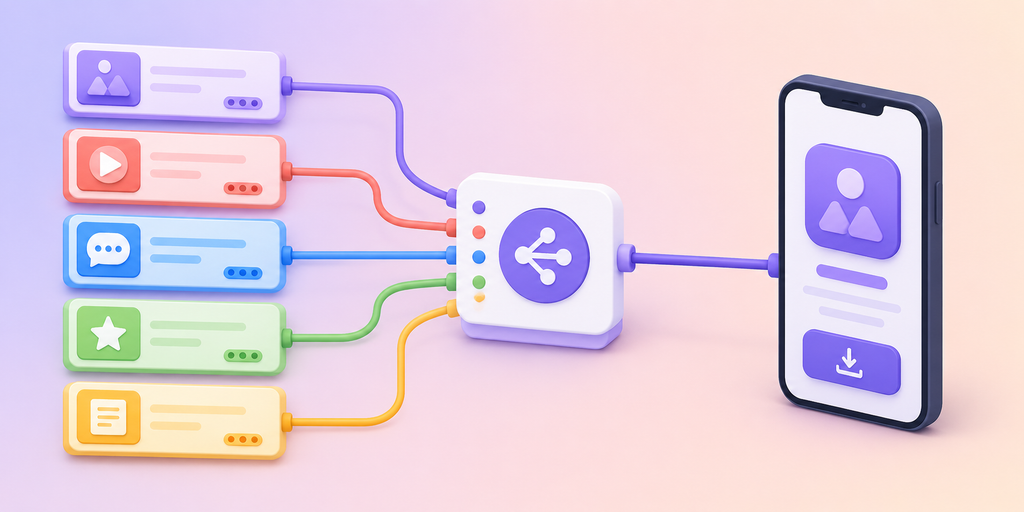
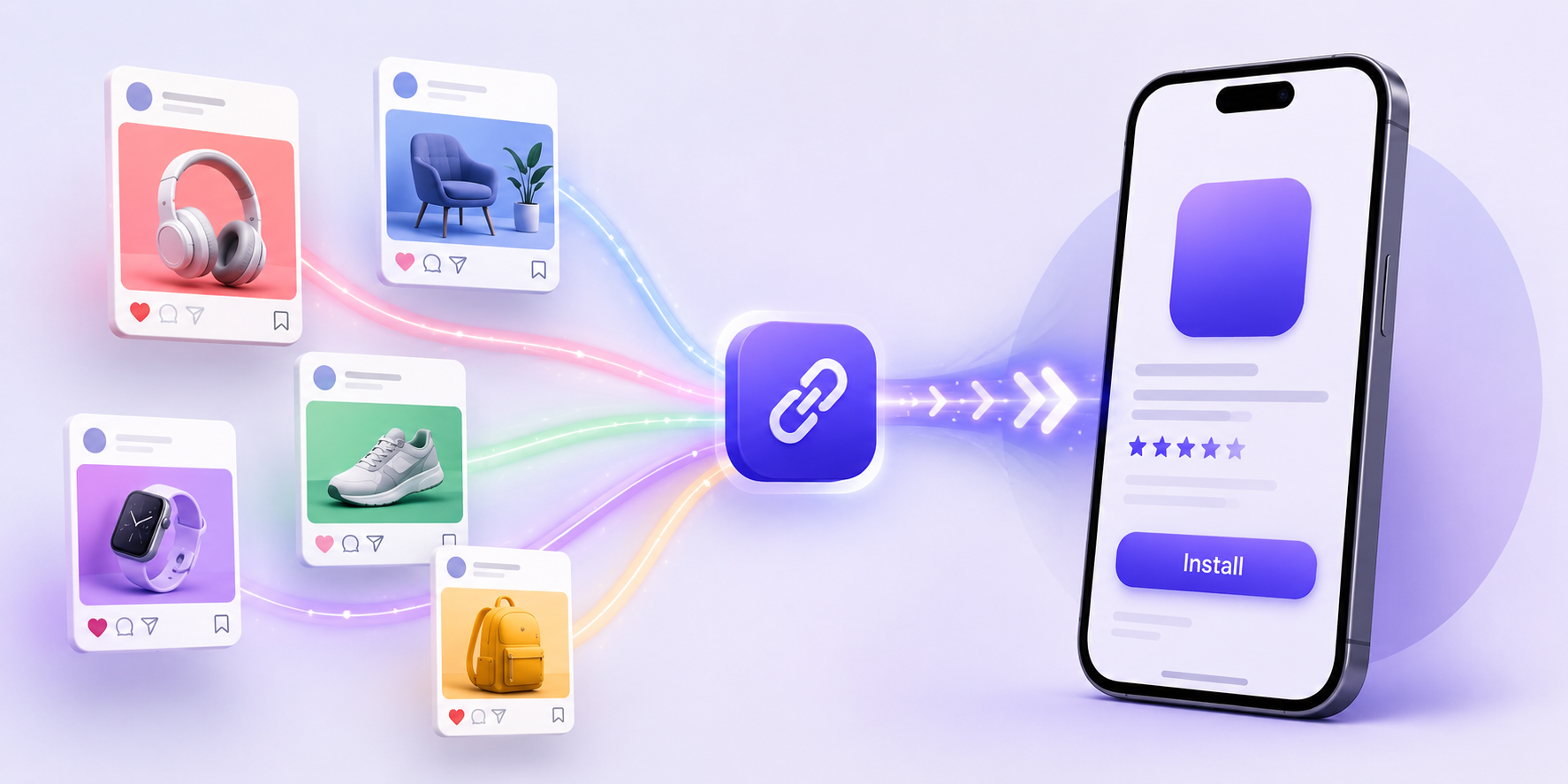
    A better setup is to create a different OneRoute link for each social media platform while still sending users to the correct app store automatically. For example, you can create one OneRoute link for Instagram, one for TikTok, one for YouTube, one for Facebook, and one for LinkedIn. Each link can route iPhone users to the App Store and Android users to Google Play, but the clicks stay separated in your reporting.

    PlatformExample OneRoute Link PurposeWhat You Can Measure
    InstagramBio link or Story linkProfile-to-download intent
    TikTokProfile linkVideo discovery traffic
    YouTubeDescription linkLong-form viewer interest
    FacebookPage or group post linkCommunity-driven clicks
    LinkedInFounder or company post linkProfessional audience interest
    InfluencerCreator-specific linkPartner campaign performance

    Why OneRoute Is Better Than Sharing Store Links Separately

    Sharing separate App Store and Google Play links creates extra friction. You either need two buttons, two links, or a landing page that asks users to choose their device. OneRoute makes the journey cleaner by giving you one smart app link that detects the user’s device. iPhone users go to the App Store, Android users go to Google Play, and desktop users can go to a fallback page. This is especially useful on social media, where you usually have limited space and need the click journey to feel simple.

    Compare Clicks Across Social Platforms

    Once each platform has its own OneRoute link, your app download tracking becomes easier to read. Instead of seeing one mixed click total, you can compare Instagram clicks, TikTok clicks, YouTube clicks, Facebook clicks, and creator clicks side by side. This does not prove final installs by itself, but it clearly shows which platforms are sending users into the app download path.

    PlatformClicksWhat It Might Mean
    Instagram3,240Strong bio or Story traffic
    TikTok2,180Good discovery from short videos
    YouTube940Smaller but possibly higher-intent audience
    LinkedIn410Niche but focused professional traffic
    Influencer A1,120Partner campaign worth reviewing

    Track Organic, Paid, and Influencer Campaigns Separately
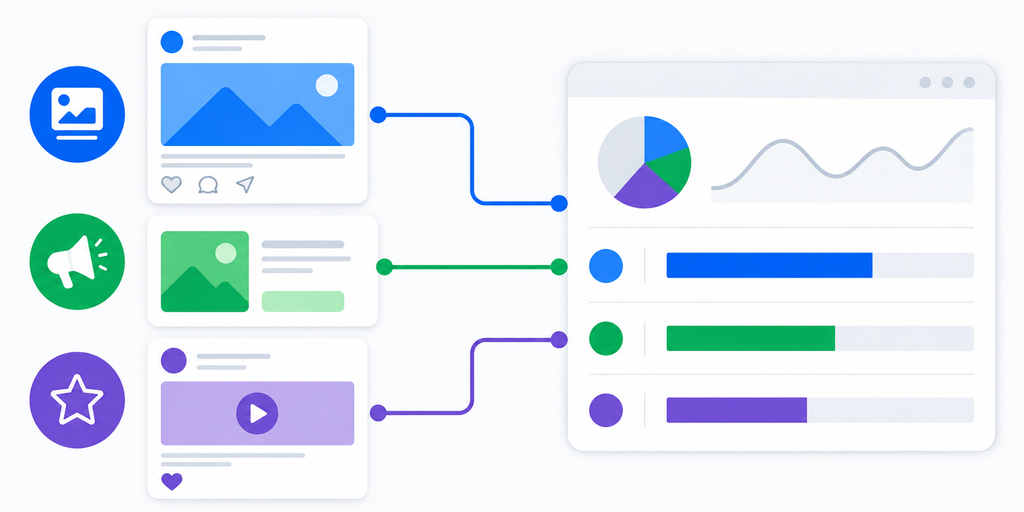
    Social media traffic becomes even clearer when you separate organic, paid, and influencer links. Instagram bio should not use the same link as Instagram ads. TikTok organic should not use the same link as TikTok paid. Each influencer should also have their own OneRoute link, so you can see who is actually sending app download interest instead of only looking at impressions or engagement screenshots.

    Use HubLink Only When Visitors Need More Than One Option

    For app download campaigns, OneRoute should be the main link because it sends users directly to the right store. HubLink is useful when your social profile needs more than one destination, such as app download, pricing, support, blog, community, and campaign pages. For example, your TikTok bio could use a HubLink page, and the main button inside that page could be a OneRoute app download link. That way, HubLink organizes the profile experience while OneRoute handles the app store routing.

    Common App Download Tracking Mistakes

    Many app teams make tracking difficult by sharing one link everywhere, using raw App Store and Google Play links, forgetting to separate paid and organic traffic, or judging performance only by views. These mistakes create unclear reporting and make campaigns harder to improve.

    MistakeWhy It Hurts TrackingBetter Fix
    One link for all platformsYou cannot compare sourcesCreate one OneRoute link per platform
    Separate store linksUsers may click the wrong storeUse one smart app link
    No influencer-specific linksPartner results get mixed togetherGive each creator a unique link
    Same link for paid and organicAd results blend with normal contentSeparate campaign links
    Only tracking viewsViews do not equal install intentTrack clicks toward the app store

    How itlink.to Helps You Track App Downloads for Free

    itlink.to lets you create free links for different marketing needs. For app campaigns, OneRoute is the strongest fit because it gives you one smart app link that routes users to the correct store and helps you compare clicks by campaign or platform. You can create separate OneRoute links for Instagram, TikTok, YouTube, Facebook, LinkedIn, ads, and creators. You can also use short links for simple campaign tracking and HubLinks when your social bio needs a full link page.

    Turn Social Media Clicks Into Better App Marketing Decisions

    Good app download tracking is not about collecting more data. It is about making better decisions. When every social platform has its own OneRoute link, you can see which channels are sending people toward your app, which campaigns deserve more effort, and which platforms only look good on the surface. Start by creating separate OneRoute links for each social media platform, keep your naming clear, and use itlink.to to track app download interest without adding friction for users.

    References

    • Google Analytics Campaign URL Builder: Official tool for appending custom UTM parameters to track incoming marketing traffic across social and digital channels.
    • Apple App Store Connect Analytics: Documentation on tracking app performance metrics, web-to-app referral conversions, and campaign attribution for iOS apps.
    • Google Play Console Statistics: Developer resource outlining user acquisition reports, organic versus paid channel performance, and conversion tracking for Android apps.
    • TikTok Business Help Center: Platform guide for managing ad accounts, setting up tracking pixels, and optimizing performance marketing campaigns on TikTok.
    • Meta Business Help Center: Resource hub detailing ad setup, bio link integration, and social conversion tracking across Facebook and Instagram.
    • YouTube Help: Traffic Source Reporting: Official guide explaining how YouTube Studio categorizes viewer discovery paths, including external links, search, and suggested videos.
  • How to Track App Downloads From Social Media

    How to Track App Downloads From Social Media

    If you promote an app on Instagram, TikTok, YouTube, Facebook, LinkedIn, or X, clicks alone do not tell the full story. A post may get attention, but the real question is whether people actually download the app. That is why learning how to track app downloads from social media matters.

    The challenge is that social media traffic is messy. People click from bios, Stories, Reels, comments, DMs, ads, creator posts, and QR codes. Some click from iPhone. Some click from Android. Some open the link on desktop first. If every channel uses a different link without clear tracking, it becomes hard to know what is working.

    Why Social Media App Tracking Gets Messy

    Social platforms are built to keep people moving fast. Someone may see your Reel today, visit your profile tomorrow, and download your app three days later. Another person may click your bio link from Instagram but install later after searching your app name in the App Store.

    This makes attribution difficult. Social platforms may show profile visits, link clicks, or ad clicks. App stores may show downloads. Analytics tools may show website sessions. But those numbers do not always connect neatly.

    That is why your link setup matters. If your social links are not organized from the start, your data will always feel incomplete.

    Track App Downloads From Social Media With the Right Link Structure

    To track app downloads from social media, start by creating a clear link structure for each channel and campaign. Do not use one random store link everywhere.

    For example, your Instagram bio link, TikTok profile link, YouTube description link, influencer campaign link, and paid ad link should be easy to separate in reporting. This does not always mean showing different links to users. It means your tracking setup should know where each click came from.

    A good structure helps you compare traffic sources without guessing. You can see whether Instagram bio clicks outperform TikTok profile clicks, whether creator posts drive better traffic than your own posts, and whether short-form video brings more app interest than static content.

    Use One Landing Page Instead of Sending Everyone Straight to the Store

    Sending every social visitor directly to the App Store or Google Play can work, but it often hides useful context. A link in bio page or app landing page gives you more control.

    For social media, this is especially useful because not every visitor is ready to download immediately. Some people want to understand what the app does first. Some want to compare features. Some are on desktop. Some need the right store button.

    A smart landing page can include your main app download button, store badges, campaign links, feature highlights, creator offers, support links, and tracking for each click. This gives you a cleaner bridge between social interest and app store visits.

    What You Should Track Before the App Store

    Before someone downloads your app, there are several useful signals to measure.

    You should track:

    • Which social platform the click came from
    • Which profile, post, story, ad, or creator link drove the visit
    • Whether the visitor used iPhone, Android, or desktop
    • Which button they clicked on your link page
    • How many people reached the App Store or Google Play
    • Which campaign produced the strongest download intent

    These signals help you improve your social content before waiting for store analytics alone.

    Why UTM Parameters Still Matter

    UTM parameters are simple tags added to a URL. They help analytics tools understand where traffic came from. For example, you can tag a link as Instagram, bio, app launch campaign, or influencer campaign.

    A basic UTM setup may include source, medium, and campaign. Source could be Instagram. Medium could be social. Campaign could be summer_launch or creator_partner_01.

    UTMs are not perfect for full install attribution, but they are still useful. They help you organize social traffic, compare campaigns, and avoid mixing every click into one unclear bucket.

    The Problem With Only Looking at Social Platform Analytics

    Instagram, TikTok, YouTube, and other platforms can show useful engagement data. But they usually do not show the full download journey.

    A Reel may have high views but low download intent. A smaller creator may drive fewer clicks but better-quality users. A bio link may get steady traffic even when individual posts stop performing.

    If you only look at likes, views, shares, and comments, you may invest in the wrong content. App marketing needs click and destination data too. You need to know what happens after someone leaves the social platform.

    How HubLink Helps Connect Social Clicks to App Downloads

    This is where itlink.to HubLink fits naturally. HubLink lets you create a clean link in bio page where social visitors can choose the right next step, including app download links, product pages, campaign pages, creator links, or other important destinations.

    For an app, your HubLink page can act as the central social traffic hub. Instagram, TikTok, YouTube, and other platforms can all point to one branded page. From there, you can guide iPhone users to the App Store, Android users to Google Play, and desktop users to a helpful landing page.

    The benefit is not just having a prettier bio link. It is having a more organized click journey. You can see which links people click, which campaigns get attention, and which social channels send real app download intent.

    Common Mistakes That Make Download Tracking Hard

    Many teams only think about tracking after a campaign already runs. By then, the data is already messy.

    Common mistakes include using the same app store link everywhere, changing Instagram bio links without tracking the date, sending desktop users directly to mobile store pages, forgetting UTMs, not separating organic and paid traffic, and letting influencers use untracked links.

    Another common mistake is tracking clicks but not the next step. A link click is useful, but a store visit is more valuable. If possible, separate “clicked bio link” from “clicked App Store” or “clicked Google Play.” That gives you a better view of intent.

    Build a Simple Social App Tracking System

    You do not need a complicated setup to start. Begin with one clean social traffic hub, clear campaign links, UTM parameters, and consistent naming.

    For example, use your HubLink page as the main Instagram and TikTok bio link. Add separate tracked buttons for App Store, Google Play, website, pricing, waitlist, or campaign pages. For influencer campaigns, create a unique tracked link or button. For ads, use campaign-specific URLs.

    Then review performance regularly. Which platform sends the most clicks? Which button gets tapped most? Are people clicking the app download link or getting distracted by other links? Should your main CTA be higher on the page?

    This kind of tracking helps you make better marketing decisions without overcomplicating the system.

    Turn Social Attention Into Measurable App Growth

    To track app downloads from social media, you need more than a store link. You need a clear path from social content to app download, plus enough data to understand what happened along the way.

    A strong setup helps you answer practical questions. Which social platform drives the most app interest? Which campaign deserves more budget? Which creator brings real users? Which CTA gets people closer to downloading?

    With itlink.to HubLink, you can turn your social bio into a cleaner app marketing hub. Instead of sending everyone through scattered links, you can guide visitors to the right destination and track the clicks that matter.

    Create your HubLink page, connect your app download links, add campaign tracking, and start turning social media traffic into measurable app growth.

    References