ป้ายกำกับ: creator tools

  • Link in Bio Checklist Before Posting on Instagram

    Link in Bio Checklist Before Posting on Instagram

    A link in bio checklist can save you from wasting attention after a post goes live. You may have a great Reel, carousel, Story, or caption, but if the link in your Instagram bio is outdated, confusing, or broken, people will leave before taking action.

    Instagram lets users add links through the profile Links section, and professional accounts can use Insights to understand account and content performance. That makes the bio link one of the most important conversion points on your profile.

    Before you publish your next Instagram post, check the link experience from the visitor’s point of view.

    The Post and the Link Must Tell the Same Story

    The most common link in bio mistake is a mismatch.

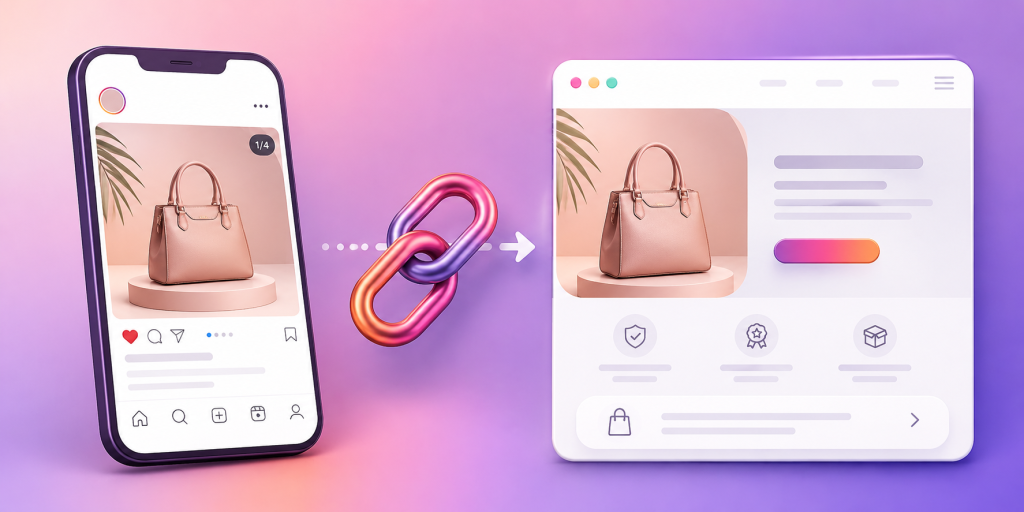
    Your post talks about a new product, but your bio link opens a general homepage. Your Reel promotes a free guide, but the first button on your link page says “Book a Call.” Your Story says “grab the template,” but the link page makes people search for it.

    That mismatch kills intent.

    Before posting, ask one question: if someone clicks your profile link because of this post, will they instantly see the thing they came for?

    If the answer is no, fix the link before publishing.

    Put the Most Important Link First

    People do not study link pages. They scan.

    The first visible link should match your current campaign. If your latest post promotes a new offer, that offer should be the first thing people see after tapping your bio link.

    Do not make visitors scroll past old links, secondary offers, or random social buttons before reaching the main action.

    A good rule is simple: the top link should match the CTA in your latest post.

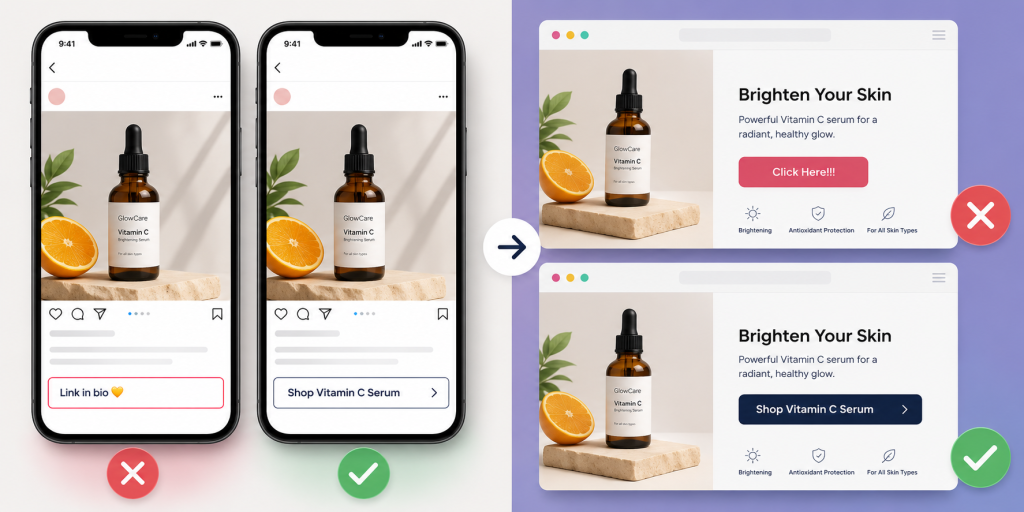
    Make the Button Text Specific, Not Cute

    Generic button text creates hesitation.

    “Click here,” “Learn more,” and “Check this out” are weak because they do not tell people what happens next.

    Use clear action labels instead:

    • Download the Free Checklist
    • Shop the New Collection
    • Book a Demo
    • Join the Newsletter
    • Watch the Full Video
    • Get the Instagram Template
    • Try the Free Tool

    Specific button text improves clarity. It also makes your link page easier to understand in two seconds.

    Test the Link Like a Real Follower

    Do not only preview the link from your laptop.

    Most Instagram clicks happen on mobile, often inside Instagram’s in-app browser. That means your link should be tested from the Instagram app before the post goes live.

    Open your profile. Tap the bio link. Check the page speed, layout, buttons, images, and checkout or signup flow.

    If the page feels slow, crowded, or confusing on your phone, it will feel worse for followers who are less patient.

    Check the Destination After Every Campaign Change

    A bio link is easy to forget because it sits in the same place for weeks or months.

    But campaigns change. Products sell out. Booking pages close. Free downloads move. Launch pages get replaced. Old offers expire.

    Before every important post, check that the destination is still correct.

    This is especially important if your caption says “link in bio.” That phrase creates a promise. The bio link should fulfill it immediately.

    Do Not Send Warm Traffic to a Cold Homepage

    Your Instagram followers already have context. They saw your post, watched your Reel, or read your caption.

    Sending them to a general homepage often resets the conversation.

    A better link sends them closer to the action. If the post promotes a product, send them to the product page. If it promotes a newsletter, send them to the signup page. If it promotes an app, send them to the correct app download path.

    A homepage is fine when the goal is broad discovery. But for campaigns, specific pages usually perform better.

    Track the Clicks You Actually Care About

    Instagram Insights can help professional accounts understand performance trends, but your link page or URL tool should also help you see which links people click after they leave Instagram.

    Do not only ask, “Did this post get likes?”

    Ask, “Did this post drive profile visits, bio link taps, and meaningful clicks?”

    For campaigns, create separate links when needed. For example, you may want different links for Instagram bio, Instagram Story, email, and QR codes.

    That helps you see which channel is actually moving people to action.

    Remove Anything That Distracts From the Current Goal

    A link page with too many options can feel like a menu with no recommendation.

    If your current goal is to sell a product, do not surround that product link with ten unrelated buttons. If your goal is newsletter signups, do not bury the signup under social links and old campaigns.

    Before posting, remove or move anything that competes with the main CTA.

    This does not mean your link page must have only one link. It means the current campaign should be obvious.

    Make Sure the Link Looks Trustworthy

    A link in bio should feel like part of your brand.

    Check the URL, title, preview, button labels, colors, and page layout. If the page looks messy or unrelated to your Instagram profile, people may hesitate.

    Trust matters more when you are asking for money, email addresses, bookings, downloads, or app installs.

    A clean link page makes the next step feel safer.

    Final Link in Bio Checklist Before You Post

    Before publishing your Instagram post, run through this quick checklist:

    • Does the first link match the post CTA?
    • Is the destination still active?
    • Does the page load well on mobile?
    • Is the button text clear?
    • Is the main offer visible without scrolling?
    • Are old or expired links removed?
    • Does the page look trustworthy?
    • Are clicks trackable?
    • Did you test the link inside Instagram?
    • Is the next action obvious?

    A good Instagram post earns attention. A good link in bio turns that attention into action.

    Before your next post goes live, make sure your bio link matches the promise you made in the content. Keep the destination clear, the first button relevant, and the next step easy to understand.

    For creators, startups, and brands, the goal is not just to have a link in bio. The goal is to create a simple path from interest to action.

    References

  • Free Link in Bio Page Without Ads

    Free Link in Bio Page Without Ads

    A free link in bio without ads sounds simple, but many creators and small businesses only notice the problem after their page starts looking messy. At first, the tool feels useful. You add your Instagram link, TikTok link, booking page, product page, WhatsApp contact, or newsletter. Then over time, the page starts showing branding, upgrade prompts, banners, recommendations, or visual clutter that does not belong to your business.

    That matters because your bio link is not just a list of links. It is often the first serious step between someone discovering you and taking action. A person may watch your Reel, visit your Instagram profile, tap your bio link, and decide within seconds whether to book, buy, message, subscribe, or leave.

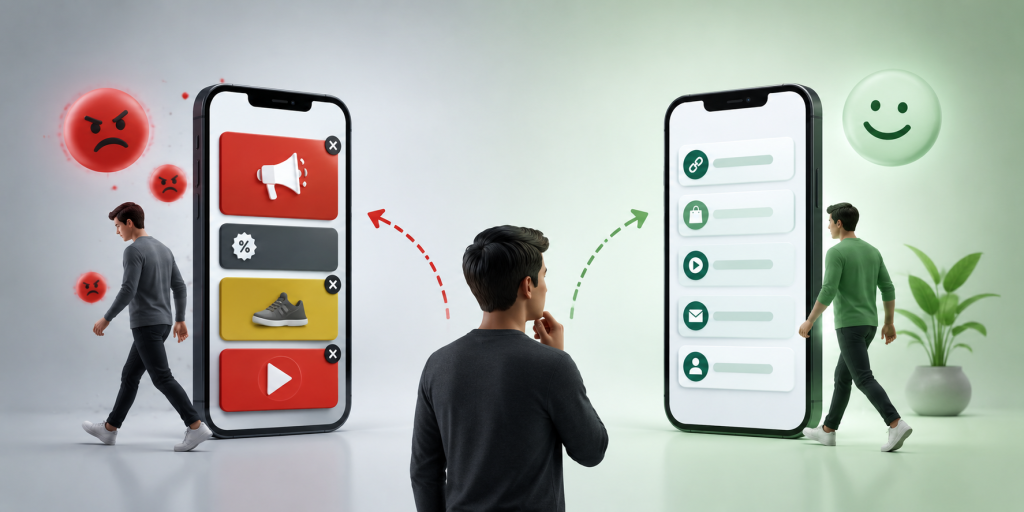
    If that page feels crowded, cheap, or distracted by someone else’s promotion, it can damage trust. A clean bio page should keep the attention on your business, not on ads, platform branding, or upgrade messages. This guide explains how to think about an ad-free link in bio page in a practical way, especially if you use Instagram, TikTok, LINE, WhatsApp, YouTube, or offline QR codes to get visitors.

    Your Bio Link Should Promote Your Business, Not Someone Else’s Ads

    The main job of your bio link is to move people from interest to action. When someone taps your link, they are already giving you attention. That moment is valuable. You should not waste it by showing distractions that do not help the visitor.

    For example, if you are a Pilates studio promoting a free trial class, the visitor should immediately see where to claim the trial, check the schedule, or contact the studio. They should not have to scroll past unrelated messages, platform banners, or links that compete with your offer.

    The same is true for creators. If you recommend a product in a TikTok video, your audience expects the bio link to help them find that product quickly. If the page feels overloaded, some people will leave before they click anything.

    An ad-free page protects the visitor’s focus. It makes the page feel more like your own official landing page, even if it is simple. The cleaner the page feels, the easier it is for people to trust the next step.

    Why Many “Free” Bio Link Pages Stop Feeling Free

    Many tools start with a free plan, but the experience may come with trade-offs. Some show platform branding. Some limit customization. Some push upgrade banners. Some place extra elements on the page. Some make the free page feel less professional so users feel pressure to upgrade.

    This is not always a problem for casual users. If someone only wants to share a few personal links, small branding may not matter. But for business use, it matters more.

    A small business bio page is not only about sharing links. It is part of the sales journey. If your page is connected to paid ads, influencer campaigns, QR codes, event posters, or product launches, every distraction can reduce performance.

    A “free” tool becomes less useful when the page no longer feels fully focused on your brand. The real cost is not only money. The cost may be lost clicks, lower trust, and visitors who never reach your booking form, product page, or contact button.

    The Moment Ads Start Costing You Clicks

    Ads on a bio page may seem harmless, but the timing is the issue. People usually tap a bio link because they want something specific. They want the product from the video. They want the booking form. They want the restaurant menu. They want the class schedule. They want the app download. They want your contact link.

    If the page adds another message at that moment, it creates friction. The visitor has to decide what to ignore before they decide what to click.

    This is especially risky on mobile. Most people open bio links on a phone. The screen is small. Attention is short. A banner, logo, or unrelated promotion can take up space that should belong to your main call to action.

    For businesses, the question is not only “Does the page work?” The better question is “Does the page make the next action obvious?” If the answer is no, the page may be costing you clicks even if it technically loads correctly.

    When reviewing your bio page, do not look at it like the owner. Look at it like a visitor who knows very little about you. They may be seeing your business for the first time.

    Ask yourself:

    • Is the most important action visible immediately?
    • Does the page feel like my brand or someone else’s platform?
    • Are old campaigns, unused links, or weak buttons still there?
    • Is there anything on the page that could distract from booking, buying, or contacting?
    • Would a new visitor understand what to do in less than five seconds?

    This is where many bio pages fail. The owner keeps adding links, but rarely removes old ones. After a few months, the page becomes a pile of buttons instead of a useful path.

    A strong link in bio page should feel intentional. The top link should match your current priority. The rest of the page should support that priority, not compete with it.

    The Hidden Problem With Upgrade Banners and Platform Branding

    Even when a page does not show traditional ads, it may still include platform branding or upgrade messages. These can create a similar problem because they shift attention away from your business.

    A visitor may not consciously think, “This page has too much branding.” But they can feel that the page is less professional. That feeling matters. Trust is often built through small details: clean layout, clear labels, consistent branding, and no unnecessary noise.

    For example, a beauty salon using a bio link for appointment bookings should look polished. A coach selling a paid program should look credible. A creator sharing affiliate links should make the product path easy. A local studio running a free trial campaign should make the offer feel official.

    When the page looks like a free tool first and your business second, the visitor experience becomes weaker.

    Real Example: A Pilates Studio Free Trial Campaign

    Imagine a boutique Pilates studio running a free trial campaign on Instagram and TikTok. The owner posts short videos of reformer classes, beginner exercises, studio tours, and client transformations. At the end of each post, the caption says, “Tap the link in bio to claim your free trial.”

    A weak bio page might include too many links: old promotions, every social profile, a generic website link, outdated class packages, a random YouTube video, and a contact form nobody checks. If ads or branding appear on top of that, the page feels even more crowded.

    A better page would be direct. The first button says “Claim Free Trial Class.” The second button says “View Weekly Schedule.” The third button says “Chat With Us on LINE.” The fourth button says “Find Studio Location.” The fifth button says “See Class Packages.”

    This page works because it matches the visitor’s intent. Someone who came from a Pilates video probably wants to know how to try a class, when classes are available, where the studio is, and how to ask questions.

    No ads are needed. No extra banners are needed. The page should help the visitor move from curiosity to action.

    What to Remove Before Adding More Links

    Many people try to improve their bio page by adding more. In reality, the fastest improvement is often removing what no longer helps.

    Remove links to expired campaigns. Remove buttons that are too vague. Remove duplicate contact options if one is clearly better. Remove old product pages that are no longer active. Remove links that exist only because you added them months ago and forgot about them.

    A good link in bio page is not a storage space. It is a decision page. Every button should help the visitor make progress.

    For example, if your main campaign this month is a free trial, do not bury it under general links. If your main goal is WhatsApp messages, do not make visitors choose between five different contact buttons. If your main offer is a course, do not distract people with unrelated content before they see the course link.

    The cleaner the page, the easier the decision.

    What to Look For in a Linktree Alternative With No Ads

    If you are comparing tools, do not only look at whether the page can hold multiple links. Most tools can do that. Look at whether the final page feels clean enough for real business use.

    A good linktree alternative no ads should help you create a page that feels simple, direct, and easy to update. You should be able to use it across Instagram, TikTok, WhatsApp, LINE, YouTube, Facebook, QR codes, and printed materials without feeling like the page is fighting your brand.

    It should also be easy to manage. If your campaign changes, you should be able to update the destination quickly. If a link is no longer useful, you should remove it. If your main offer changes, the first button should change with it.

    This is where a simple hub link can be useful. With itlink.to, you can create a free bio link page for your important destinations and use one clean URL across your profiles and campaigns: https://itlink.to/#hub-link

    The goal is not to make a complicated mini website. The goal is to give people one clear place to choose the right next step.

    Build a Free Link in Bio Without Ads Around One Clear Action

    A free link in bio without ads works best when it is built around one main action. Before you create the page, decide what you want most visitors to do.

    For a creator, that action may be viewing a product list, subscribing to a channel, joining a newsletter, or contacting for collaboration. For a small business, it may be booking an appointment, claiming a free trial, viewing a menu, downloading an app, or sending a message.

    Once you know the main action, make it the first button. Then add only the links that support it. Think of the page as a simple path, not a collection of everything you own.

    This approach makes your page easier to understand and more professional. It also helps you avoid the common mistake of turning a bio link into a messy directory.

    If your current page has ads, branding, upgrade banners, outdated buttons, or too many choices, rebuild it with a cleaner structure. Keep the focus on your visitor, your offer, and the next action.

    Create your free link in bio without ads and give your audience one clean path from discovery to action.

    References

  • Multiple Links in Instagram Bio Without Linktree

    Multiple Links in Instagram Bio Without Linktree

    If you are trying to add multiple links in Instagram bio, you are probably facing a simple but frustrating problem: one profile, many destinations. You may need to share your shop, latest post, booking page, YouTube video, WhatsApp contact, newsletter, app download page, or campaign landing page at the same time.

    Instagram gives creators and businesses more link flexibility than before, but a clean link-in-bio page is still often the better solution when you want control, clarity, and a more professional experience. Instead of changing your bio link every time you post something new, you can send people to one simple page that organizes all your important links in one place.

    Why Instagram Bio Links Matter More Than They Look

    Your Instagram bio link is small, but it often carries serious business value. It is the bridge between attention and action. Someone watches your Reel, reads your caption, checks your profile, and then decides whether to click.

    That click may lead to a sale, signup, download, booking, message, or content view. If the link is confusing, outdated, or too crowded, the visitor may leave before taking action. This is why your bio link should not be treated like a random URL. It should work like a simple landing page with a clear purpose.

    For creators, Instagram bio links can send followers to new content, affiliate offers, digital products, media kits, or community pages. For businesses, they can support campaigns, product launches, lead generation, and customer support. The goal is not just to show many links. The goal is to help people choose the right next step quickly.

    The Real Problem Is Not Linktree, It Is Link Clutter

    Many people search for a Linktree alternative because they think the tool is the problem. Sometimes it is. But often, the real problem is link clutter.

    A link-in-bio page can become messy when every link has the same importance. Visitors see too many buttons, vague labels, old promotions, and repeated destinations. Instead of helping people decide, the page creates more friction.

    For example, a creator might add “My Website,” “New Video,” “Shop,” “Course,” “Booking,” “Podcast,” “Newsletter,” “TikTok,” and “Contact Me” all at once. Technically, that is multiple links. Practically, it may be too much.

    A better approach is to organize links based on what your audience wants right now. If your latest Reel promotes a free guide, that guide should be near the top. If your main business goal is booking calls, the booking link should be obvious. If an old campaign is no longer active, remove it or move it lower.

    A Better Way to Share Multiple Links Without Linktree

    You do not need to use Linktree specifically to share multiple links from Instagram. What you need is a simple link-in-bio page that acts as a clean menu for your audience.

    The best setup is usually one short bio link that opens a mobile-friendly page. That page should include your most important destinations, written in clear language. The visitor should immediately understand where to click.

    For example, instead of putting five separate URLs in captions or constantly changing your profile link, you can create one link-in-bio page with buttons such as “Book a Call,” “Shop New Products,” “Read the Latest Article,” “Download the App,” and “Contact on WhatsApp.”

    This keeps your Instagram profile clean while still giving your audience options. It also makes your content easier to manage because you only need to update one page instead of repeatedly editing your Instagram bio.

    What to Include on Your Link-in-Bio Page

    A good link-in-bio page should be simple, useful, and focused. It should not feel like a full website. It should feel like a clear shortcut to your most important actions.

    Include only links that support your current goals:

    • Main offer: product, service, course, app, booking page, or campaign page.
    • Contact option: WhatsApp, LINE, email, contact form, or booking link.
    • Fresh content: latest blog post, video, podcast episode, or campaign.
    • Trust link: portfolio, reviews, testimonials, case studies, or media kit.
    • Social or community link: newsletter, group, Discord, Telegram, or other platform.

    The order matters. Put the most important link first. If your audience came from a specific post or Reel, the page should match what they expected to find.

    Practical Examples for Creators, Businesses, and Campaigns

    A creator may use one Instagram bio link to share a new YouTube video, a brand collaboration, an affiliate product, and a media kit. In this case, the page should not look like a random list. The top link might be “Watch My Latest Video,” followed by “Shop My Favorite Tools,” then “Work With Me.”

    A small business may use a link-in-bio page for product categories, delivery information, customer chat, and promotions. For example, a café could link to its menu, Google Maps location, LINE order form, and latest seasonal offer.

    A mobile app team may use the bio link to send users to the correct app download destination, a feature page, a launch campaign, and support. If the app is being promoted through Instagram Reels, the first link should match the campaign message.

    A consultant or service provider may focus on booking calls, case studies, free resources, and testimonials. In this case, fewer links may perform better because the main goal is lead generation.

    Common Mistakes That Make Bio Links Perform Poorly

    A link-in-bio page should make decisions easier. When it creates confusion, users stop clicking. Many pages fail not because the offer is bad, but because the structure is unclear.

    Avoid these common mistakes:

    • Using vague button text like “Click Here” or “Learn More.”
    • Adding too many links with no clear priority.
    • Keeping expired campaigns or old offers near the top.
    • Sending users to pages that are slow, broken, or not mobile-friendly.
    • Making the first link different from what your latest Instagram content promised.
    • Using long URLs that look messy or unprofessional.
    • Forgetting to test the bio link after updating it.

    The fix is simple: keep the page clean, update it regularly, and write button labels that tell people exactly what they will get.

    When Instagram’s Native Links Are Enough

    Instagram allows users to add links directly to their profile, which can be enough for very simple needs. If you only need to share a website, one product page, or one contact link, you may not need a full link-in-bio page.

    However, native profile links can become limiting when you want better presentation, clearer grouping, campaign-specific organization, or a branded experience. A plain list of links may work, but it does not always guide users toward the action that matters most.

    If your Instagram profile supports real business goals, a dedicated link-in-bio page usually gives you more control. You can arrange links, update campaigns, create a cleaner visitor journey, and make the page feel more aligned with your brand.

    How to Organize Your Bio Links for More Clicks

    Start with the action you care about most. Do not begin by asking, “How many links can I add?” Ask, “What should people do first?”

    If your priority is sales, place your shop or product link first. If your priority is appointments, place your booking link first. If your priority is audience growth, place your newsletter or community link first. If your priority is content discovery, place your latest article or video first.

    Use clear labels. “Book a Free Consultation” is better than “Services.” “Download the App” is better than “Our Platform.” “Shop New Arrivals” is better than “Products.”

    You can also rotate the top link based on your latest campaign. For example, during a product launch, the launch page should be first. After the launch, you can move your evergreen shop or booking page back to the top.

    Create Multiple Links in Instagram Bio With a Cleaner Setup

    The best way to manage multiple links in Instagram bio is to use one clean page that organizes your most important destinations. It should be easy to scan, fast to open, and simple to update.

    This is where a link-in-bio tool becomes useful. Instead of sending people to a messy list or constantly editing your profile, you can create one page for your current offers, content, contact options, and campaigns.

    With HubLink by itlink.to, you can create a simple link-in-bio page for Instagram and send visitors to the right places from one clean link: https://itlink.to/#hub-link

    Use your Instagram bio link as a focused path, not a storage box for every URL you have. Start with your most important action, keep the page clean, and update it whenever your campaign changes.

    References